 más allá de las calles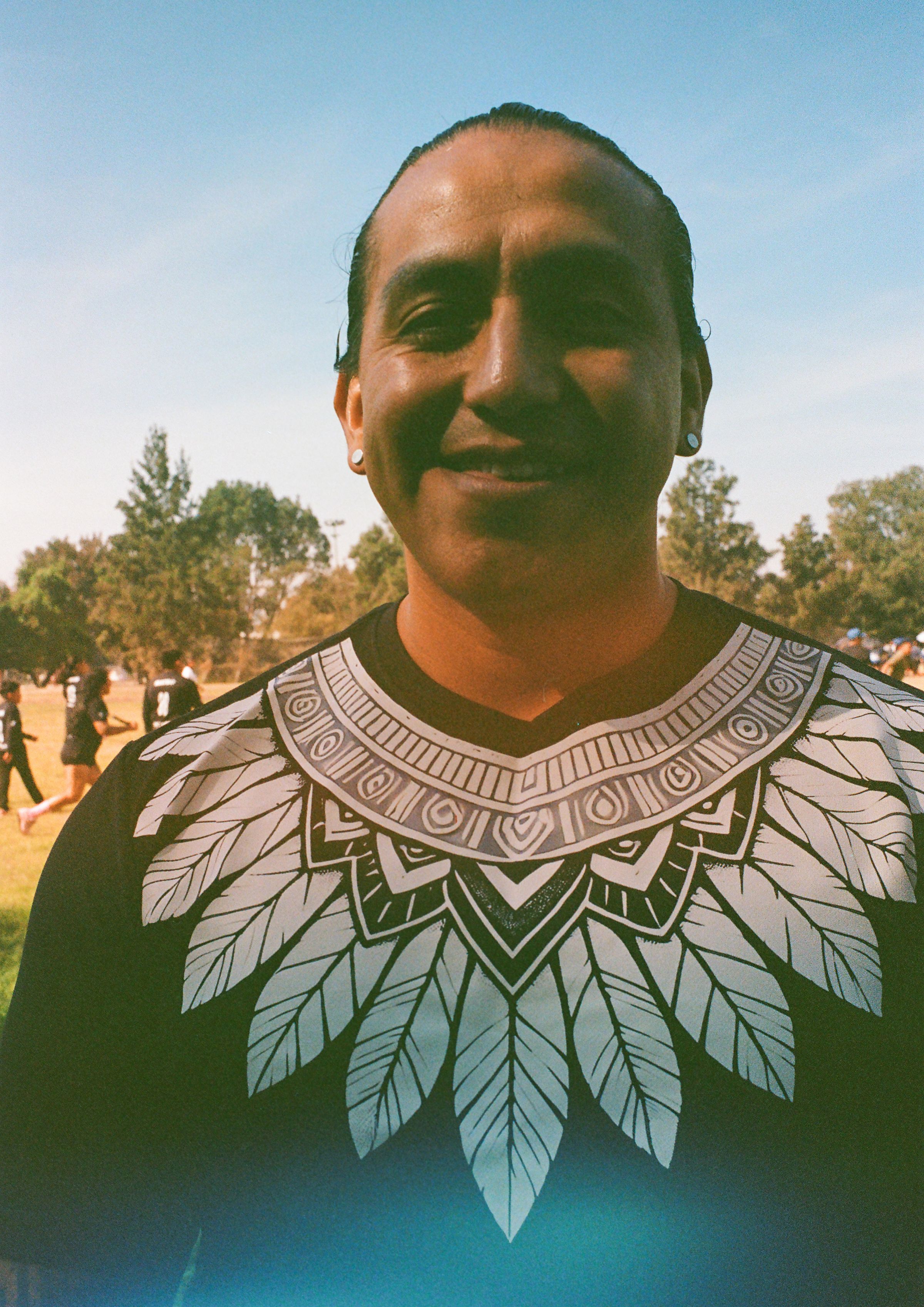
portrait · founder, coach and president of Rugby Mictlán
Adrián Alvarado
“We said: we’ll be the guardians of the Mictlán.”
Adrián Alvarado
A will to transform, the strengthening of bonds within a group of friends, the all-round formation of children socially committed to their surroundings: rugby in Valle de Chalco Solidaridad has gone beyond the limits of what might be expected of a sport, becoming what is today an admirable project of social work. Adrián Alvarado — founder, coach and president of Rugby Mictlán — helps us understand that journey, describing work sustained over ten years.
As Alvarado explains, rugby is a complex sport that demands discipline and physical and mental preparation. That is key to understanding how creating a rugby team among friends could turn into a project with social impact. At first it meant a shift in the very meaning of friendship: camaraderie would no longer consist of meeting up to party at weekends, but of cultivating discipline and rigour in training together. That became the cornerstone of a second stage for Rugby Mictlán: bringing children into the sport.
That is where the project’s social work in the municipality becomes evident. The five principles that characterise rugby — discipline, respect, integrity, passion and solidarity — instilled in the children at every training session, have contributed to their formation and development as people of integrity, socially committed to their environment. The values learned on the pitch extend into social and everyday life. Rugby Mictlán can be understood as an oasis for children in a setting marked by violence — a space that also makes clear that parents are always a fundamental part of their children’s all-round formation: attending and taking part as a family in the training and the life of Rugby Mictlán is key to keeping it going.
With his testimony, Adrián Alvarado lets us recognise that with will, knowledge and work it is possible to create spaces where something different can grow. Rugby Mictlán is proof that sport cannot be reduced to mere recreation, or even to physical health, but is a primary dimension in forming whole human beings committed to their surroundings. That, I am sure, is where rugby’s defining phrase comes from: rugby is a hooligan’s game played by gentlemen.
the interview
Extracts from the recorded interview, translated from Spanish. The talk has been tightened, never corrected.
How did Rugby Mictlán start in Valle de Chalco?
Today we are celebrating our tenth anniversary. I brought Rugby Mictlán here to Valle de Chalco out of a need to play rugby. I discovered the sport with the Tlacuaches of the National School of Anthropology and History. I have a degree in sports coaching, and a colleague invited me. Travelling from Valle de Chalco to Cuemanco took between an hour and a half and two hours if I didn’t hit traffic on the ring road. I went to two or three training sessions and said: no, I have to build my own rugby team.
And the first fifteen players?
The next challenge was finding fifteen madmen who wanted to play rugby — because if you type “rugby” into YouTube, what comes up is blows and blood, another face of rugby which I don’t think is the real one. So I did it with my friends, the ones I used to go out partying with at weekends. I turned the context of friendship around: lads, today we are rugby players, we’re going to train. And boom, that’s how it started. I had them running all over Valle de Chalco carrying a tyre, to build strength and stamina. What I have always had with my friends are strong bonds of camaraderie; that made it easier for them to join in.
Does Rugby Mictlán do social work in the municipality?
Of course. Over those ten years Rugby Mictlán went back and forth. Around year six it was collapsing completely: coming to train had turned into just coming for a drink, there was more third half than first and second. Players were having conflicts with their families. We had to take the reins again. What did we do? We brought in the children. The social work is instilling those five values in the kids: discipline, respect, integrity, passion and solidarity.
What is “the game that inspires”?
For the last two years we have been working with a civil association called NATLIC, which has supported us with tools to develop rugby further. With them we created a programme called El Juego que Inspira — the game that inspires. It is aimed at helping children convey their emotions through play; our main tool here is rugby. It isn’t about telling children: kids, you must express that you feel sad. No. The game that inspires is built on a game, let’s say a game of tag: I’m running, I am sadness, and the child is going to catch sadness. So, against sadness, what will the child do? He will say: I am happy — and start laughing. The child takes tools from that game to apply them in everyday life.
Have you had institutional support?
We approached previous municipal administrations; we had a little support from the former mayor Ramón Montalvo, who let us use facilities for training, and we are very grateful for that. Since then it has been a battle to find a space. We have been training on a rugby pitch for ten years; I have told them that if they could let us have a pitch to rehabilitate and turn specifically into a rugby field, or a multidisciplinary one, and let us manage it — but none of that has come off. In May this year the rugby federation came here to Valle de Chalco, along with people from CONADE and the municipality, to promote rugby, and they said it was a sport arriving in Valle de Chalco for the first time. It is quite depressing to hear, after ten years, that rugby is “arriving” here, when we have been working here every Saturday.
And the resources?
Ten years with the kids: we have represented Valle de Chalco in Veracruz, in Puebla, in Querétaro, in different places, and all of it has come out of the players’ own pockets. Here at Rugby Mictlán we charge nothing. The kit, the balls, we buy between us, we all chip in and that’s where the money comes from. But everything is lacking to make Rugby Mictlán happen. The important thing is that in the end these are just materials. As long as you have a ball, teammates and the desire to play rugby, you can play rugby. Any support is an extra incentive and a huge help.
Why the name Mictlán?
When we got together to decide the name, we wanted something that strongly identified our pre-Hispanic roots. Rugby is an English sport, and we wanted to plant our own seed in it. We don’t claim to change rugby; we claim to create a bit more rugby, with something more of ourselves in it. It’s called Rugby Mictlán because here in the hill there is a hole, and I remember being told at school once that it was an entrance to the Mictlán. So we said: right, that’s the name. We’ll be the guardians of the Mictlán. And we make sure our shirt carries pre-Hispanic symbols.
What has the project taught you personally?
Rugby Mictlán changed my life. Valle de Chalco is a violent area, that’s the truth: you are more likely to find violence here than sport or anything positive for society. I grew up here, so I would have turned out a different person from who I am today. The kids have taught me a great deal. I studied at the National School of Sports Coaches, I am currently studying at the Apex Performance Institute, a university in Guadalajara; they have very good scientific grounding, but I think my best teachers have been the children. They have brought me to a point where they have shown me the kind of person I can be and how much we can contribute to society. At the weekend I get up early again to come to rugby, and that fills me up.
What is your vision for the next five years?
I intend for these children to be playing rugby professionally. All the members of the Rugby Mictlán senior side are registered with the Federation; in the future I want the children to join a senior side too. And I want to create a methodology of Mexican rugby: we have the capacity to create, we have the base, we have good coaches, we have good knowledge. In five years we are looking more towards the children than towards the adults.
Interview recorded on Rugby Mictlán’s tenth anniversary, 2025.
back to the portraits
seven residents
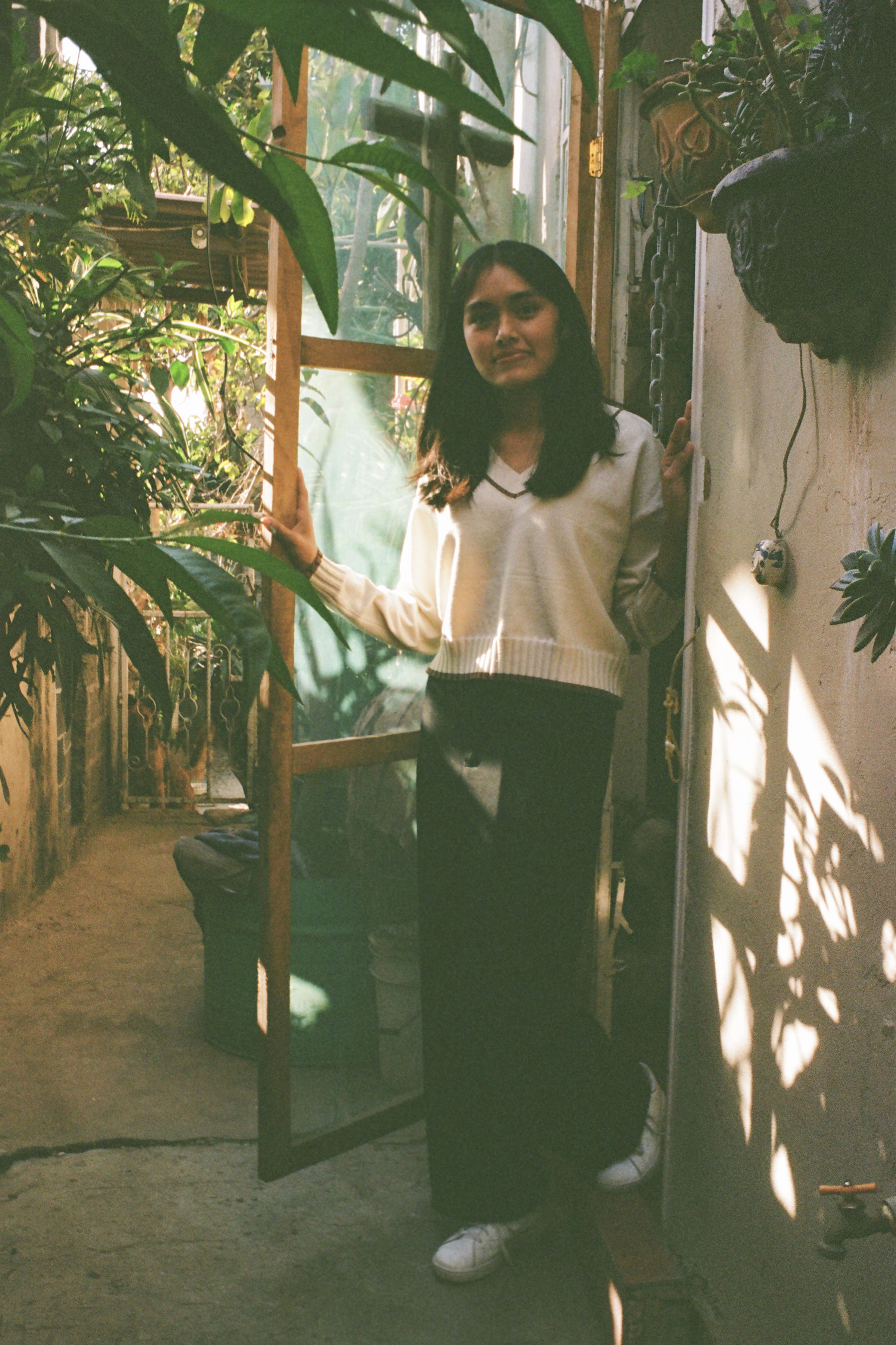 Zulay Ikarani Amaro Jasso15 years old · high-school student
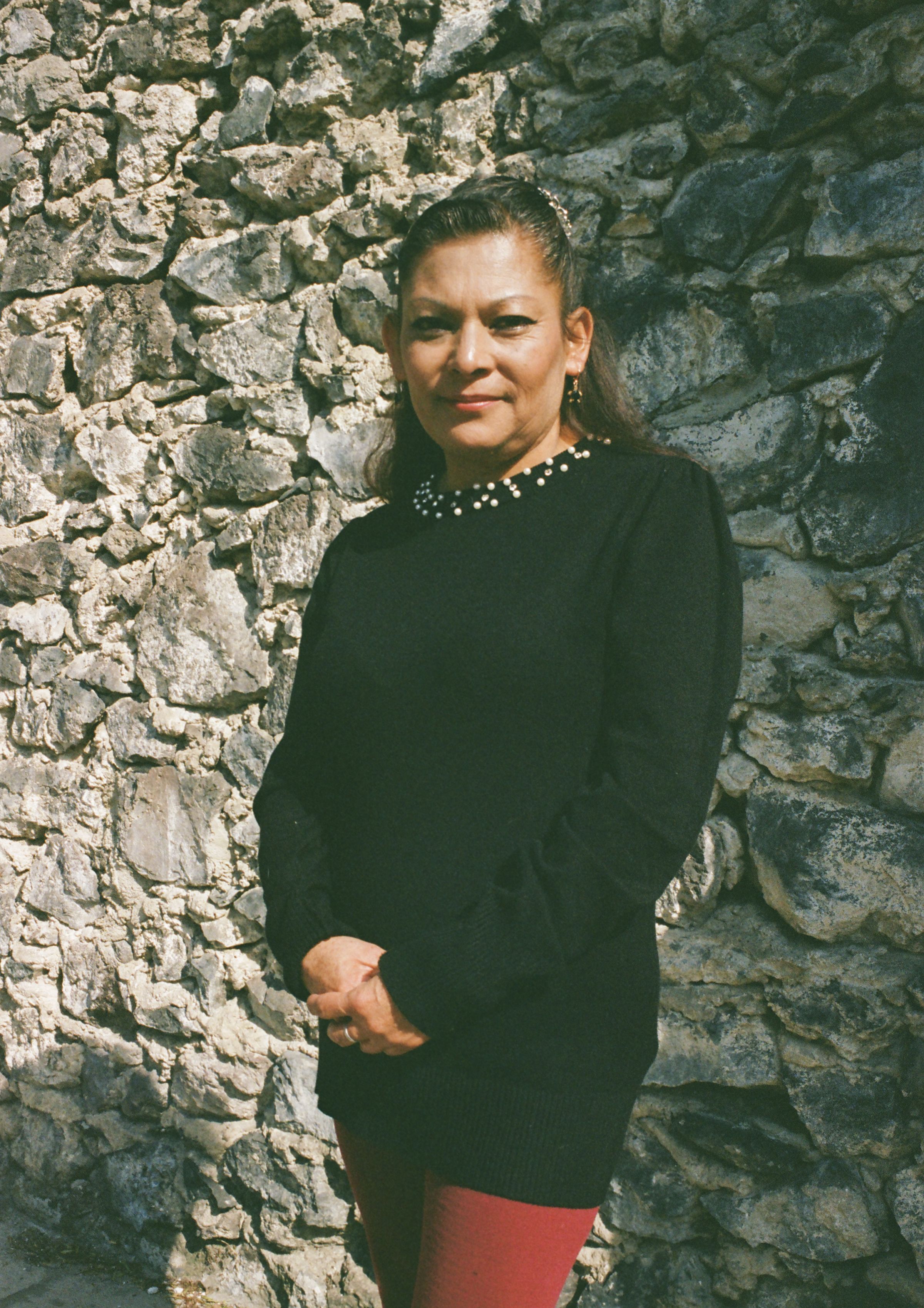 María Dolores Martínez Rangel50 years old · homemaker · choir singer
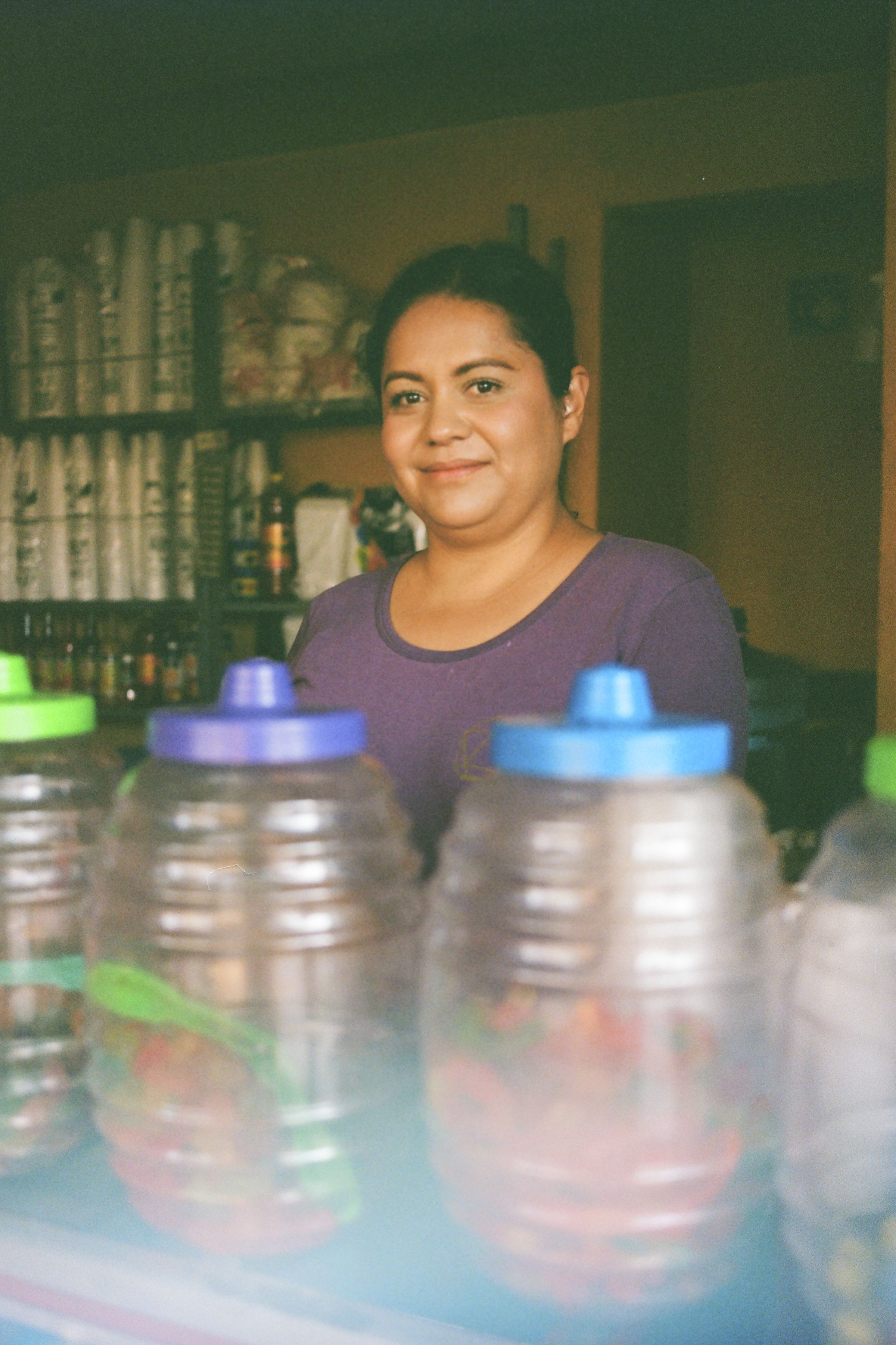 Cecilia del Sagrario Losa Arreaga34 years old · shopkeeper
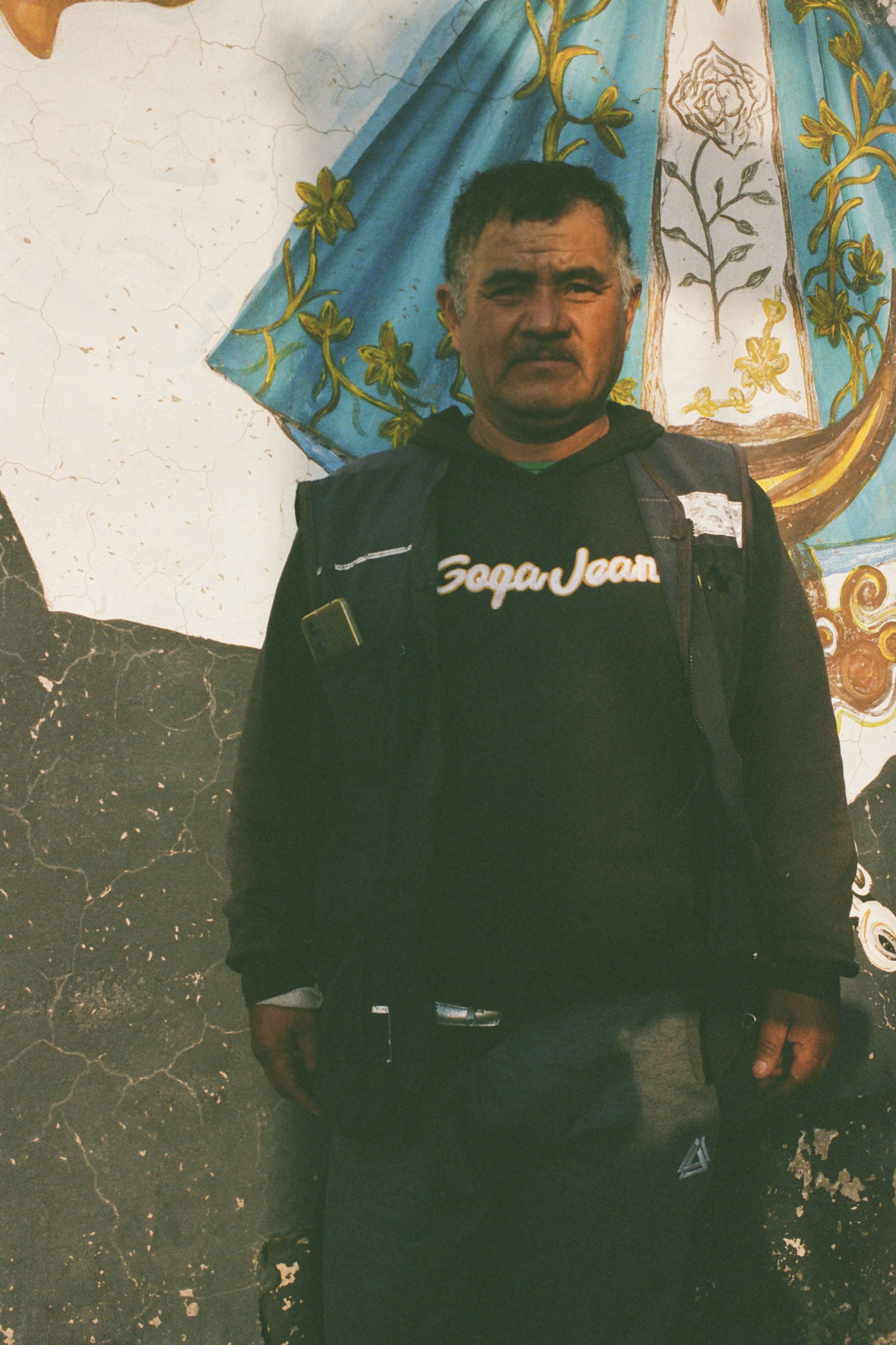 José Rivera Mendoza53 years in the municipality · moto-taxi driver
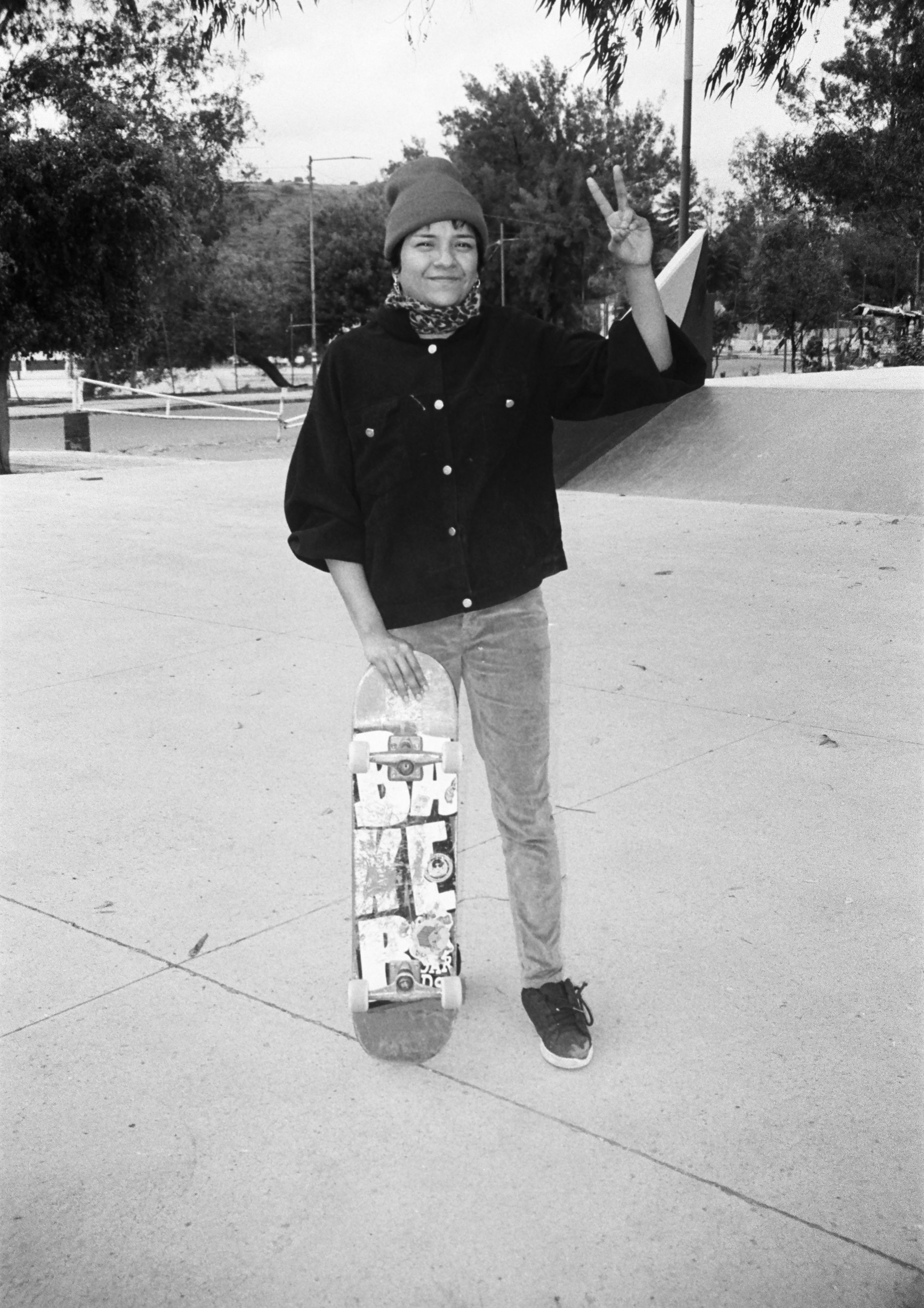 Daniela Ramírez Hernández29 years old · skater · carer
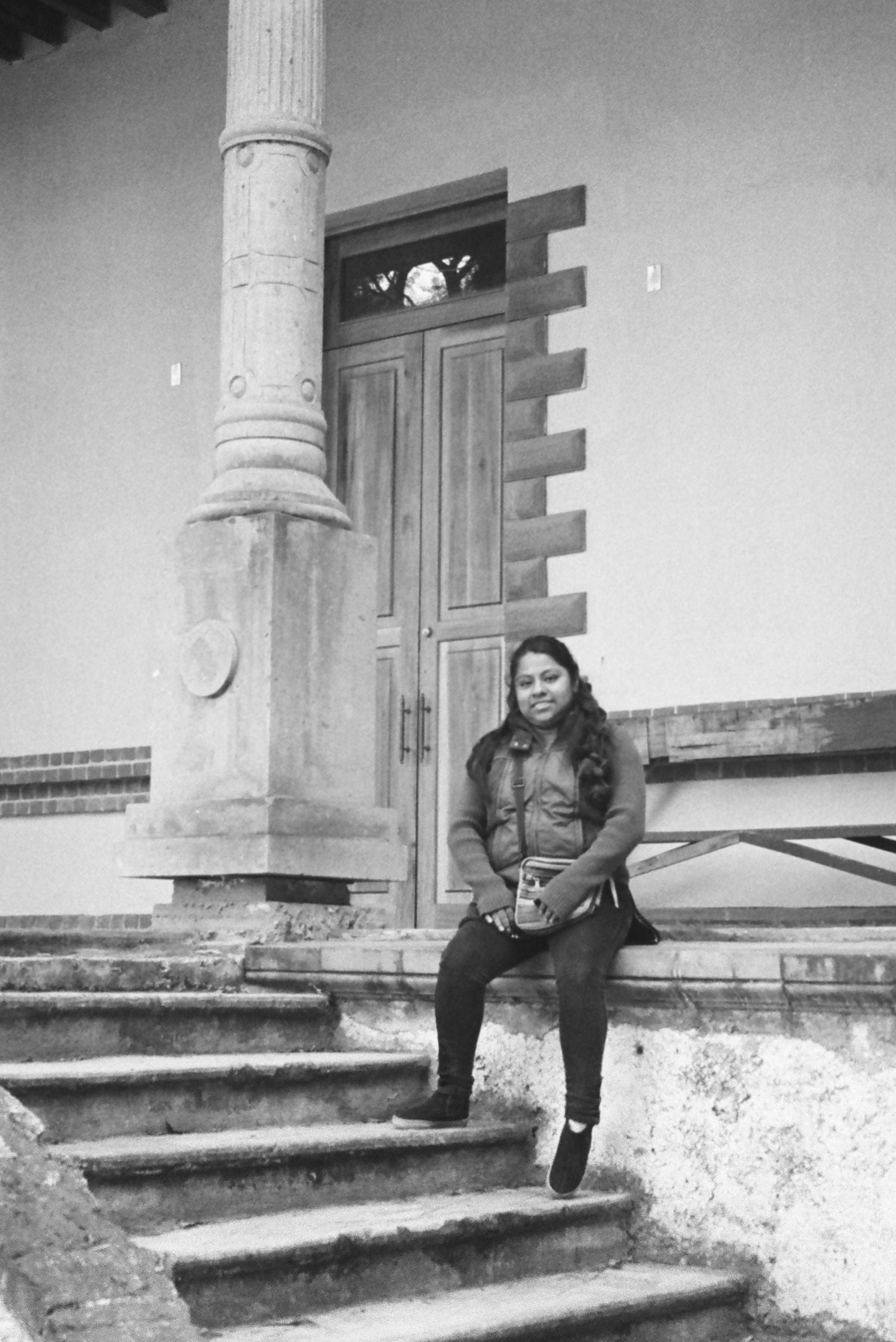 Luz Andrea Quiroz Hernándezartisan · backstrap weaver · Mixtec speaker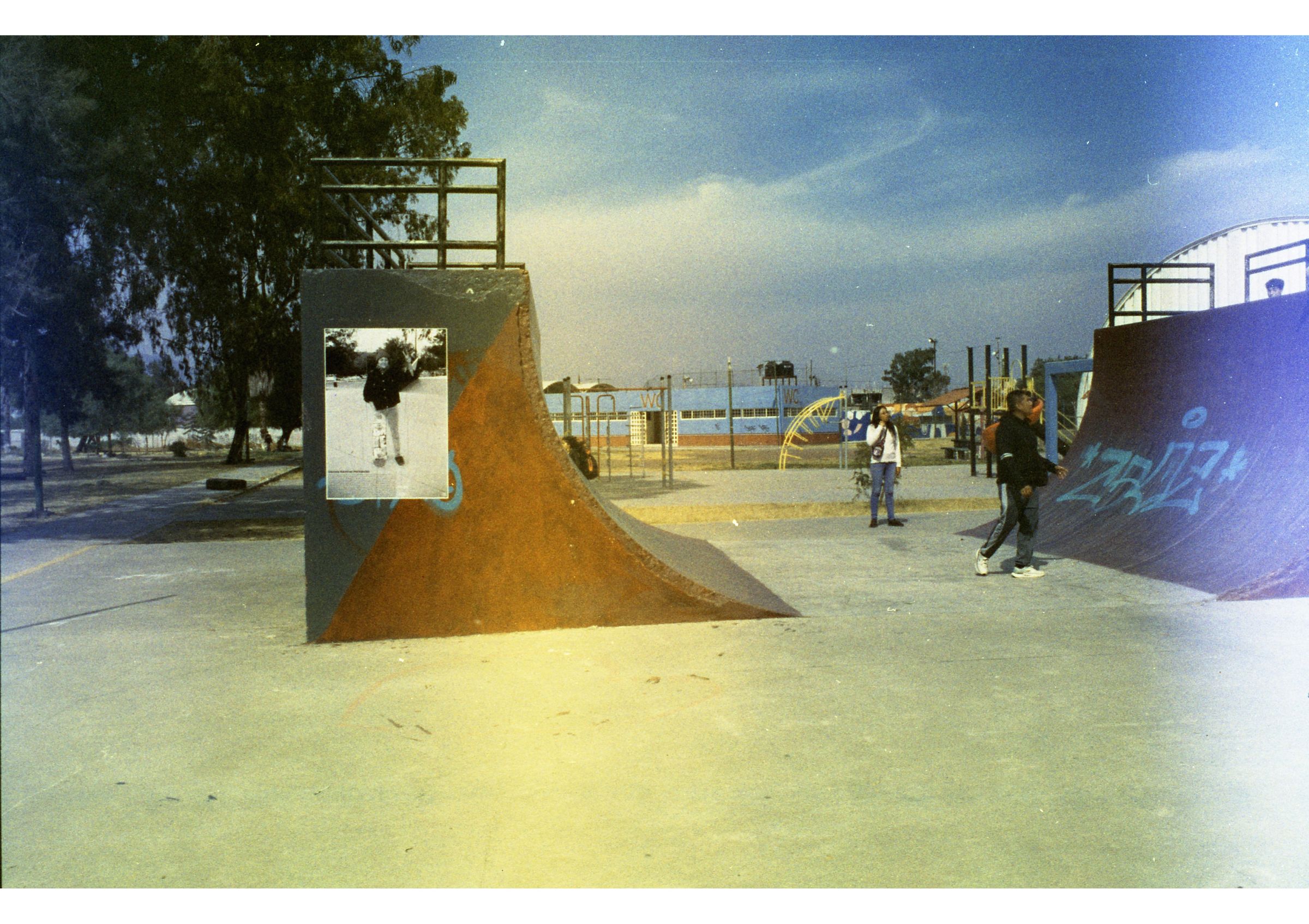
partners
Museo Comunitario del Valle de Xico
Arte y Cultura Xico A.C.
mOst — mon œil sur terre
credits
photographs and texts by the workshop participants — Valle de Chalco Solidaridad, 2024–2025.