 más allá de las calles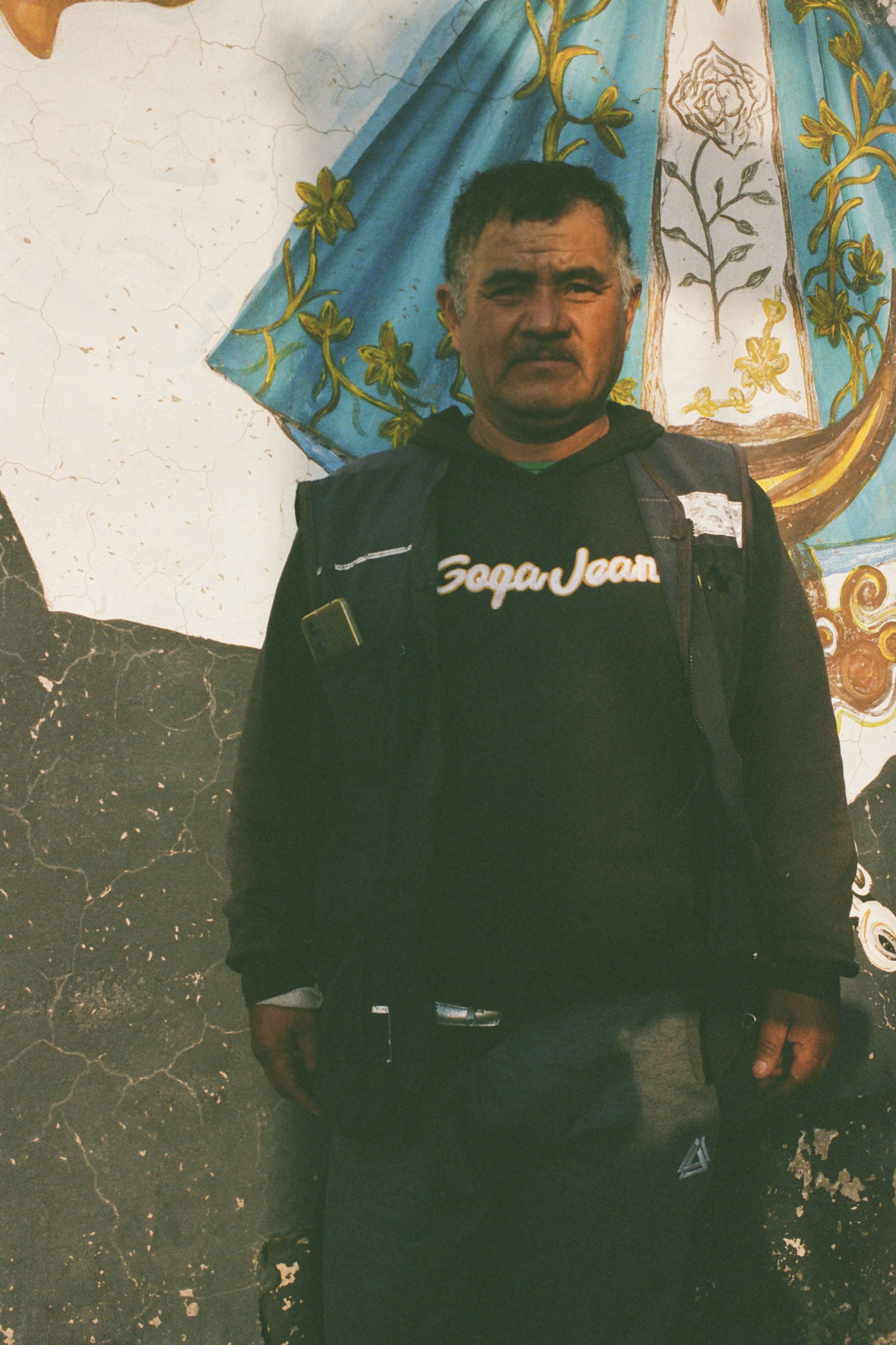
portrait · 53 years in the municipality · moto-taxi driver
José Rivera Mendoza
“Before, what you harvested fed the family. Today you have to work, and if you don’t work, you don’t eat.”
José Rivera Mendoza
Señor José Rivera Mendoza has lived in Valle de Chalco for 53 years, and has witnessed the municipality’s transformation across that whole time. Don José has held many jobs since he was very young: he worked the fields, he was a carpenter, he drove minibuses, and he now drives a moto-taxi, an important form of transport for getting around Valle de Chalco. Don José is a man who likes his work and does it with pleasure and courtesy, because he knows that if passengers get good service they go away satisfied.
He tells us that the transformation he has lived through has not been entirely beneficial: with population growth and urbanisation, people have had to travel into the city to work, and this has turned the municipality into a dormitory for many. With that growth, people arrived from all sorts of places and, with different customs and habits, the municipality began to fill with rubbish, and problems of drugs and violence appeared. He sees the most precious thing Valle de Chalco has as the cultural wealth left to us by our ancestors.
the interview
Extracts from the recorded interview, translated from Spanish. The talk has been tightened, never corrected.
Are you from here?
Almost. Yes, back when it was called Estación Xico, and then San Miguel Xico.
What did you do before the moto-taxi?
I’ve had several trades: before this I was a carpenter; before carpentry I drove public transport, combis, minibuses; and before that I worked for a while in companies over in Mexico City, in factories. And before all that, as a teenager, I had to help my grandparents sow the fields here: maize, beans, squash, broad beans, beet for the cows and oats — that’s what was sown here back then. Before it was built up.
What do you most like about living here?
Let’s say the transformation that has happened has brought some progress, but it wasn’t aimed at supporting the community. This is mostly a dormitory for a lot of people who work all over Mexico City and around it, and what is missing here is exactly that focus, and industrial zones so people don’t have to travel so far to work. Back when it was first being settled, we did like it, because there was a lot of freedom and plenty to live on: people kept animals, cows, goats, pigs. Today it’s impossible to keep animals like that, it simply can’t be done. So it was a bit easier to feed your family. Not now, because if you don’t work somewhere, there’s no way. Before, what you got from the harvest or the animals fed the family. Today you have to work, and if you don’t work, you don’t eat.
And what do you dislike most about that change?
A lot of people have arrived with different cultures, because they come from different states of the republic. Some bring good customs and good intentions, and others don’t — perhaps because they come from the city’s neighbourhoods and, for various reasons, moved out here, but they bring bad habits with them: dumping rubbish, drug use, violence above all. All that came with the growth; before, there was none of it. Our community, which ran from here to the hacienda where the museum is, has been turned into a dump. Over by La Troje there are often dead dogs and so on, and that’s unpleasant. It gives a bad impression of our municipality and our community.
What is the most valuable thing the municipality has?
The most valuable thing is the culture, everything our ancestors left us. Not just the grandparents: from long before. Here, when it wasn’t yet settled by the new neighbours, there were areas where you would find little faces — we call them caritas — the sort of thing that’s in the museum, the little idols, and all kinds of things like that. And over there were specific areas they used to call La Moctezuma, La Marranera: those were the places where you found those pieces, jade figures, potsherds, little pots, all of it.
And the most rewarding thing about your work?
For instance, giving the service here on the moto-taxi: there are people who go away satisfied and happy because you try to do the job well. Not all of us drivers give the service we should. People complain because some colleagues don’t have that culture of service. Nobody forces us to provide the service, quite the opposite: it’s something you should do because you want to, and because it keeps you going, we earn a living from it. And if we do it gladly and with some vision, I think people support us too, by asking for us. The most rewarding thing is giving a good service and seeing people happy.
Interview conducted by the workshop participants, 2025.
back to the portraits
seven residents
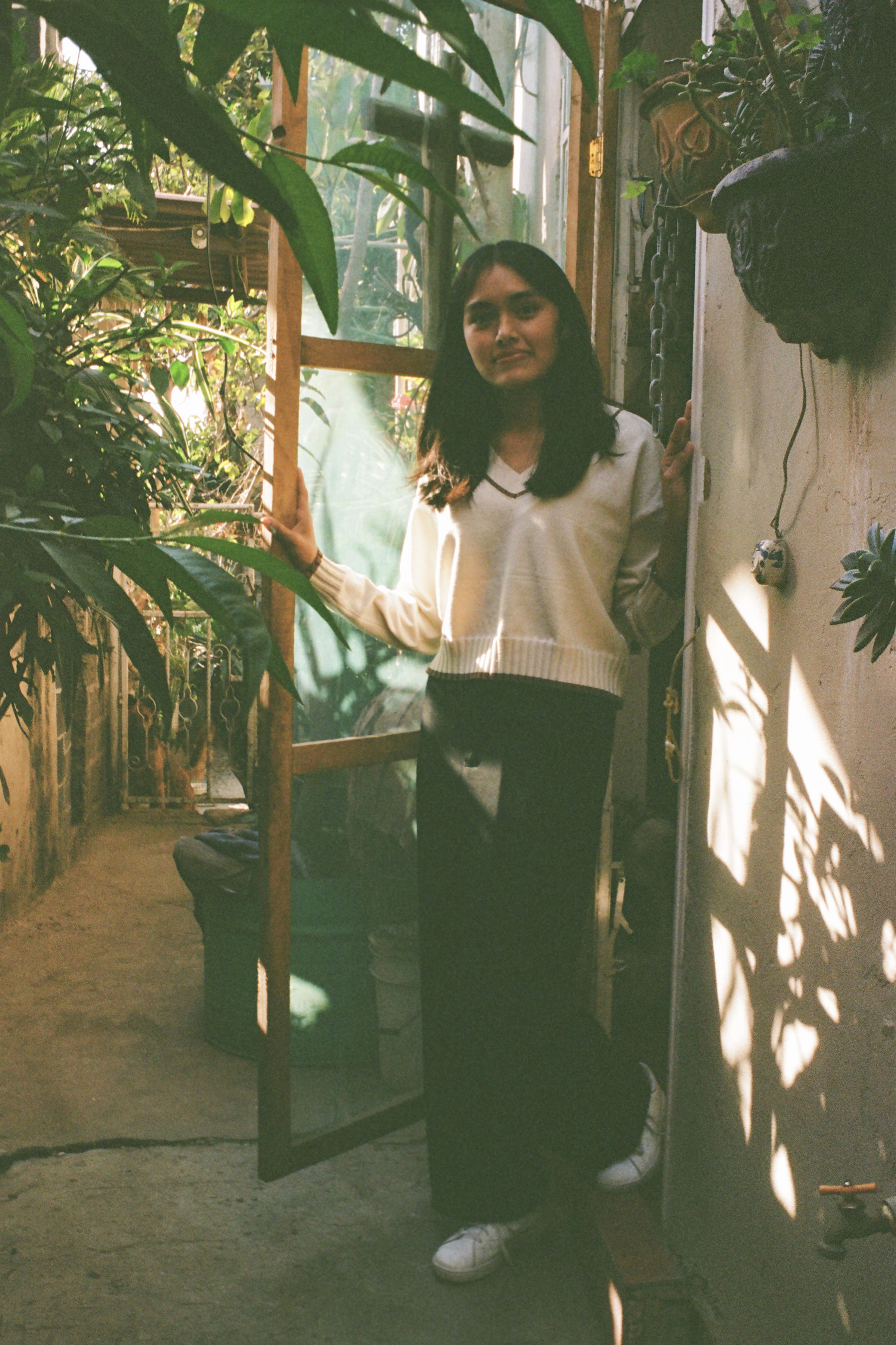 Zulay Ikarani Amaro Jasso15 years old · high-school student
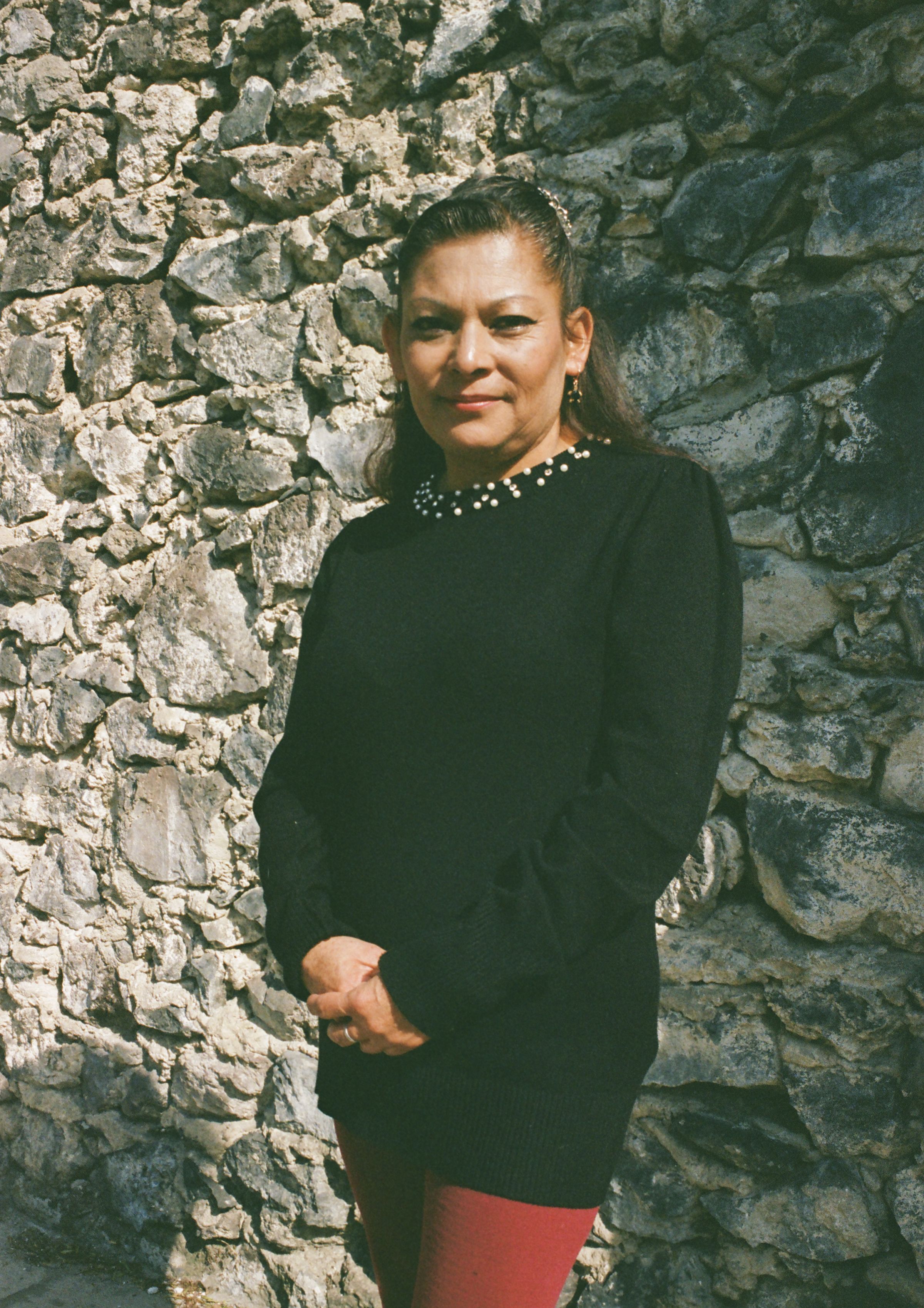 María Dolores Martínez Rangel50 years old · homemaker · choir singer
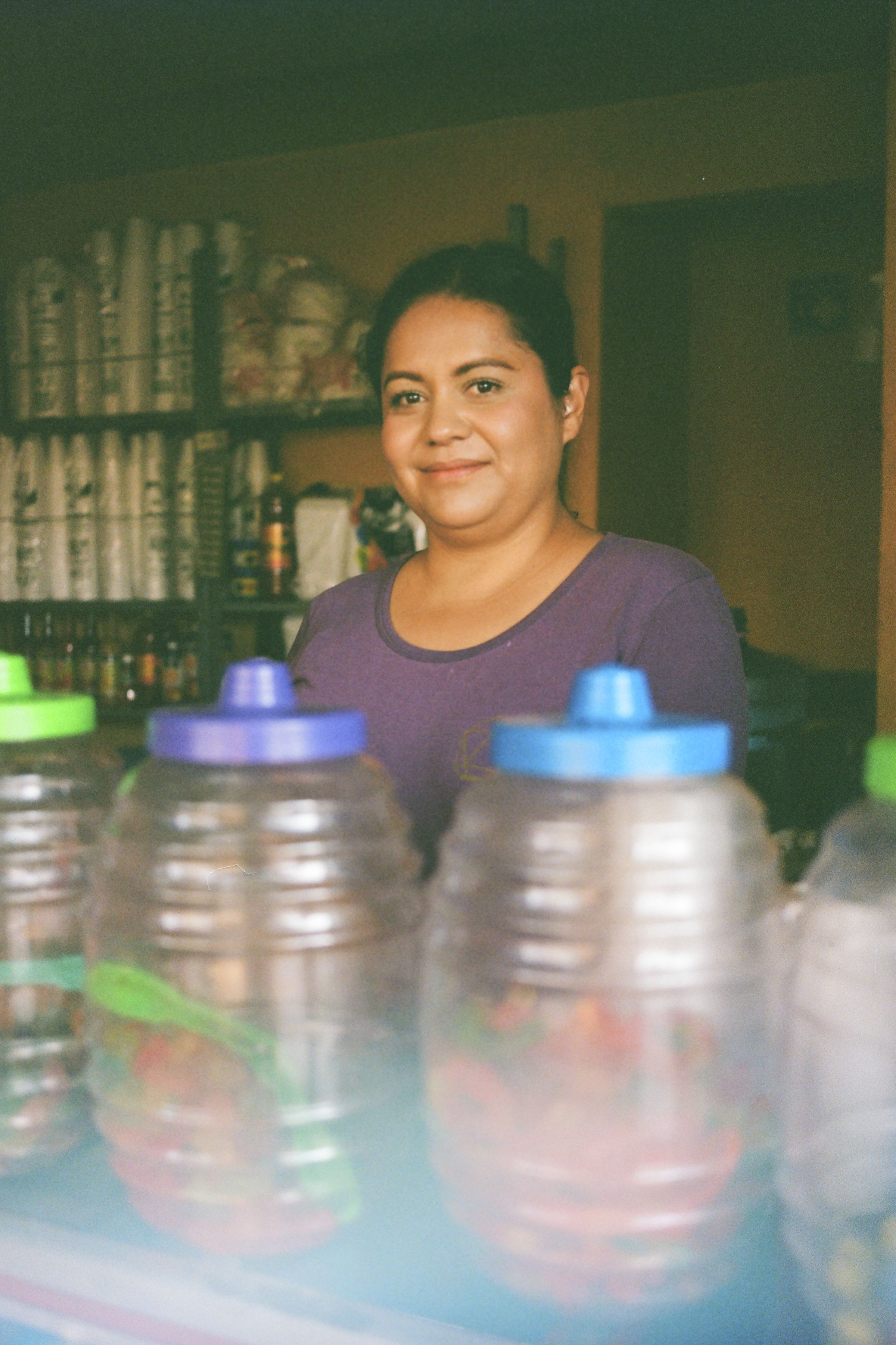 Cecilia del Sagrario Losa Arreaga34 years old · shopkeeper
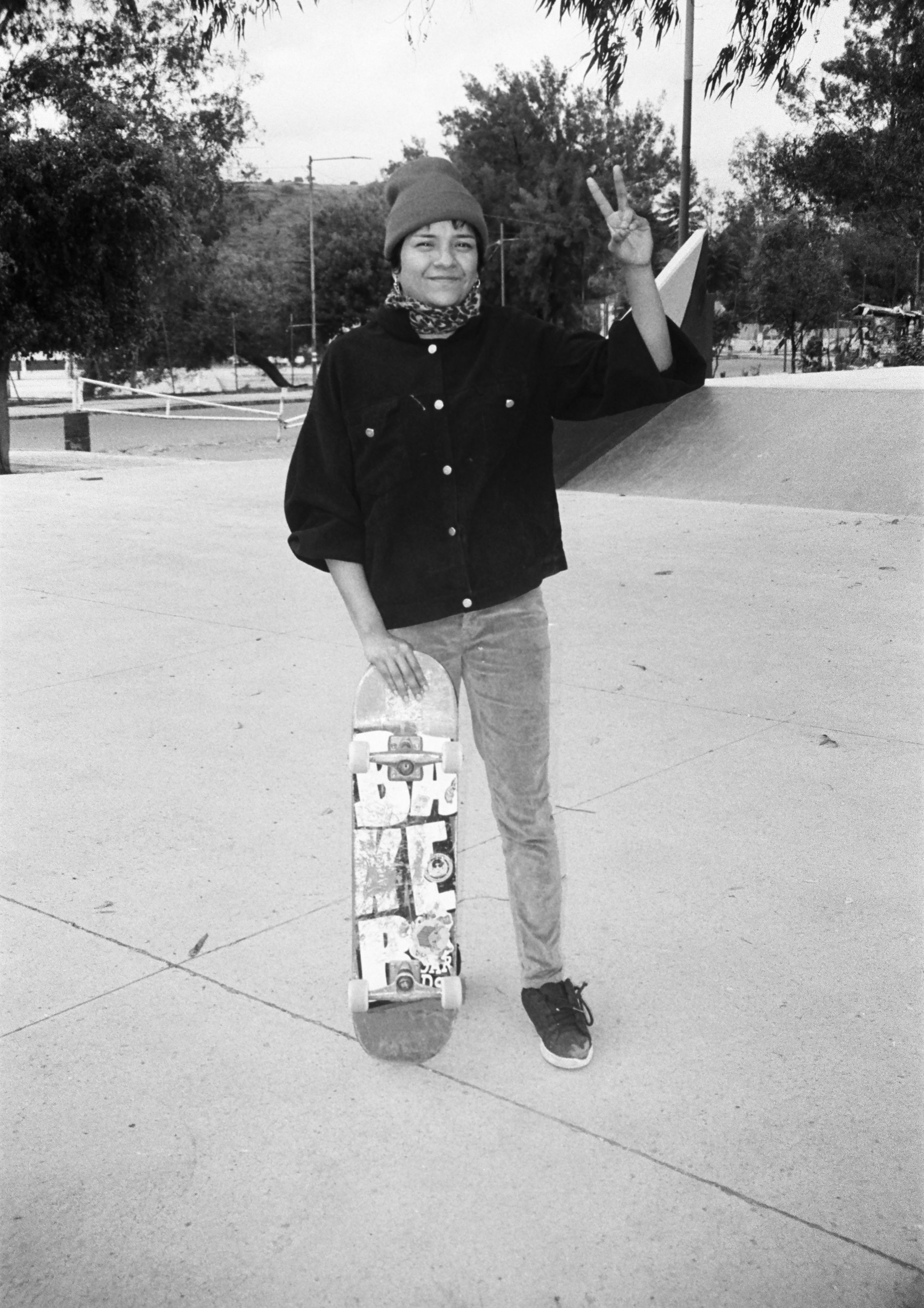 Daniela Ramírez Hernández29 years old · skater · carer
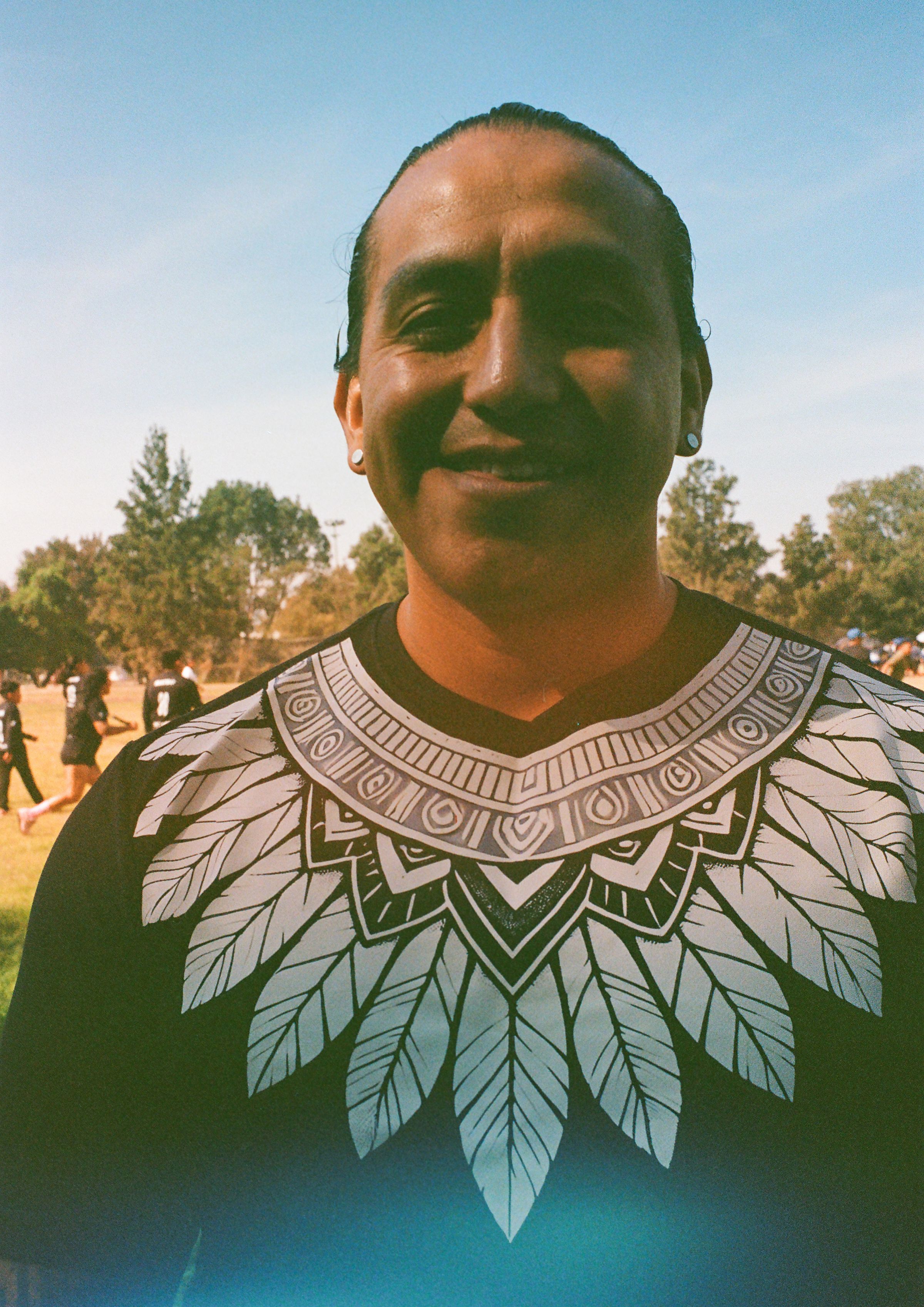 Adrián Alvaradofounder, coach and president of Rugby Mictlán
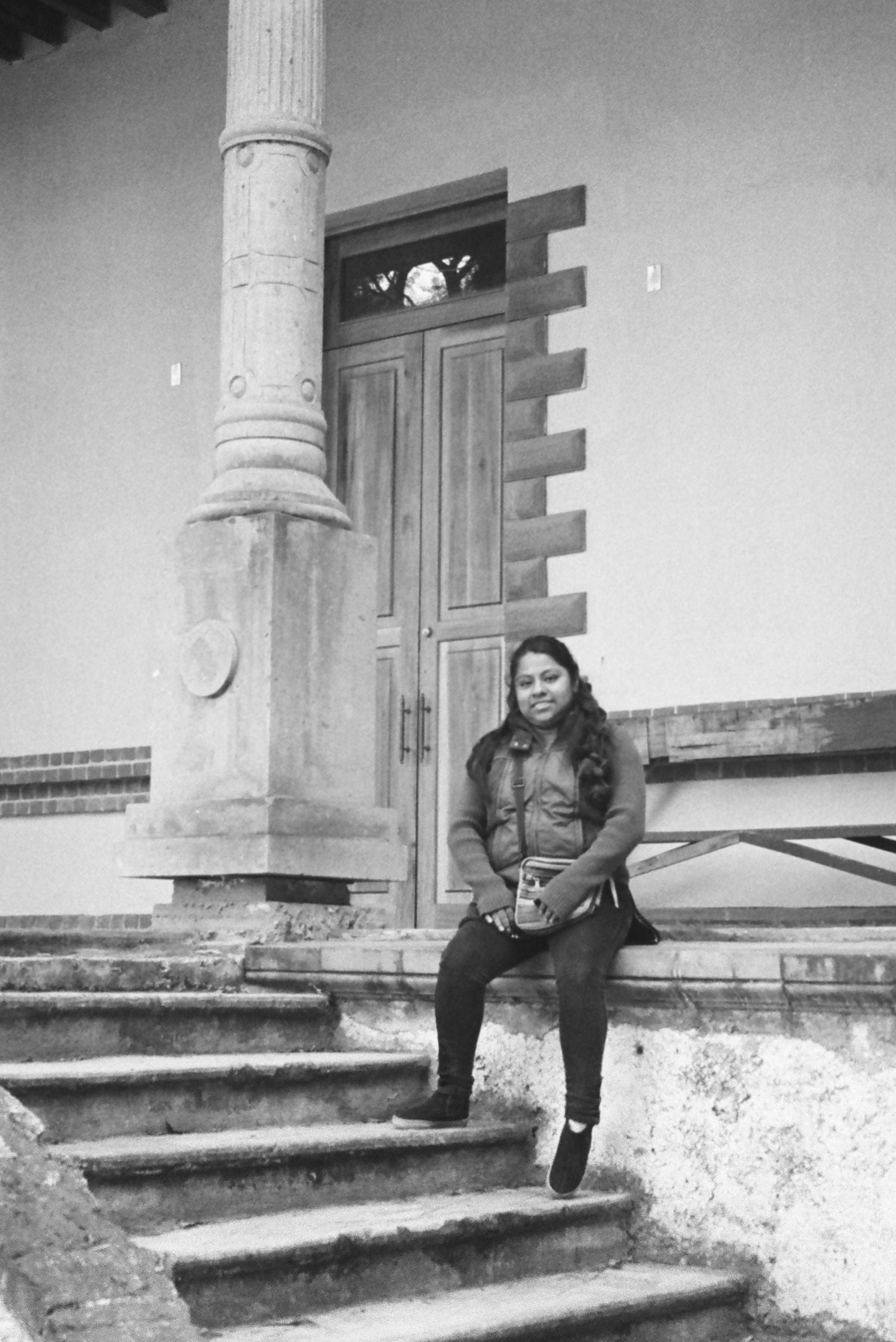 Luz Andrea Quiroz Hernándezartisan · backstrap weaver · Mixtec speaker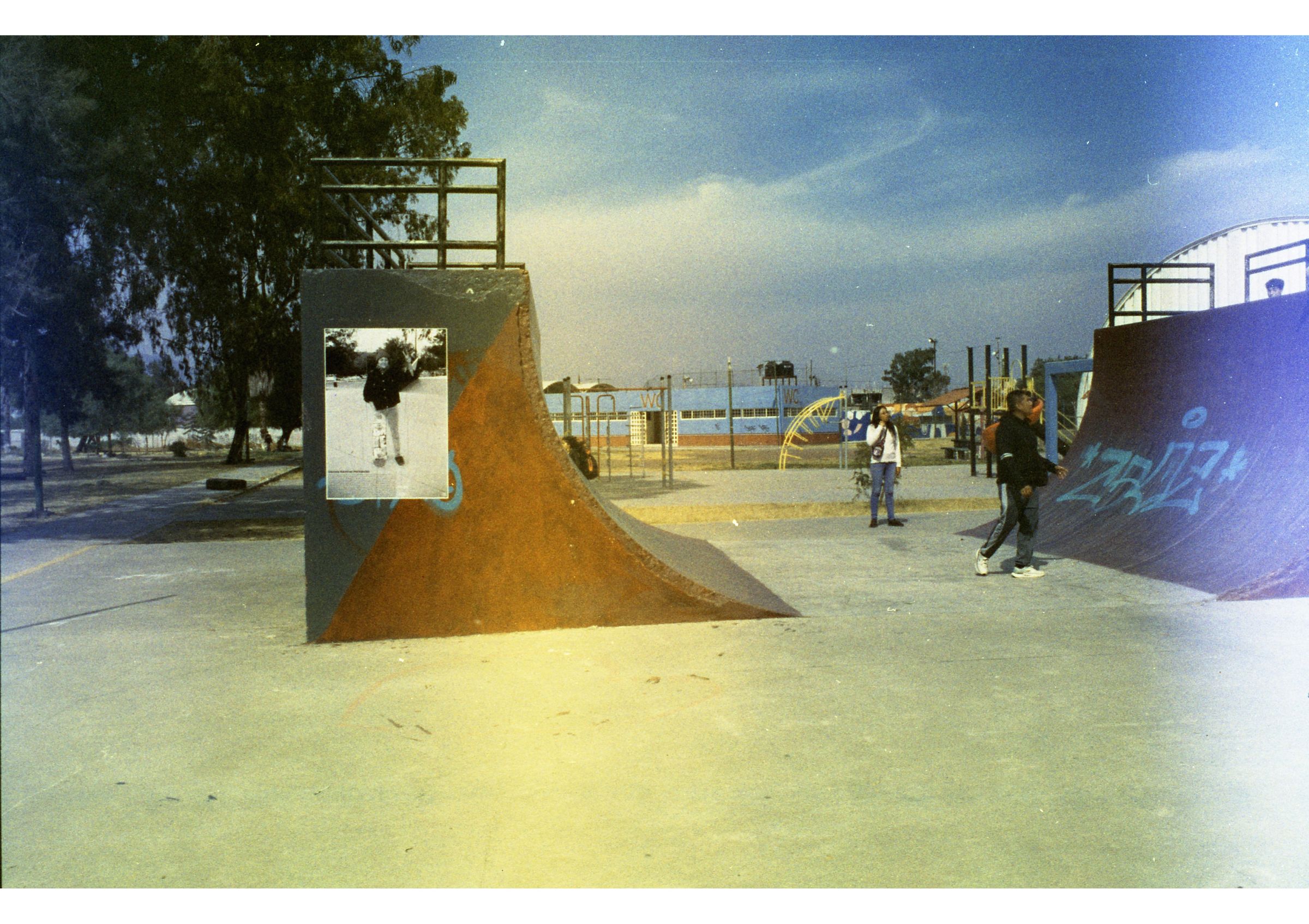
partners
Museo Comunitario del Valle de Xico
Arte y Cultura Xico A.C.
mOst — mon œil sur terre
credits
photographs and texts by the workshop participants — Valle de Chalco Solidaridad, 2024–2025.