 más allá de las calles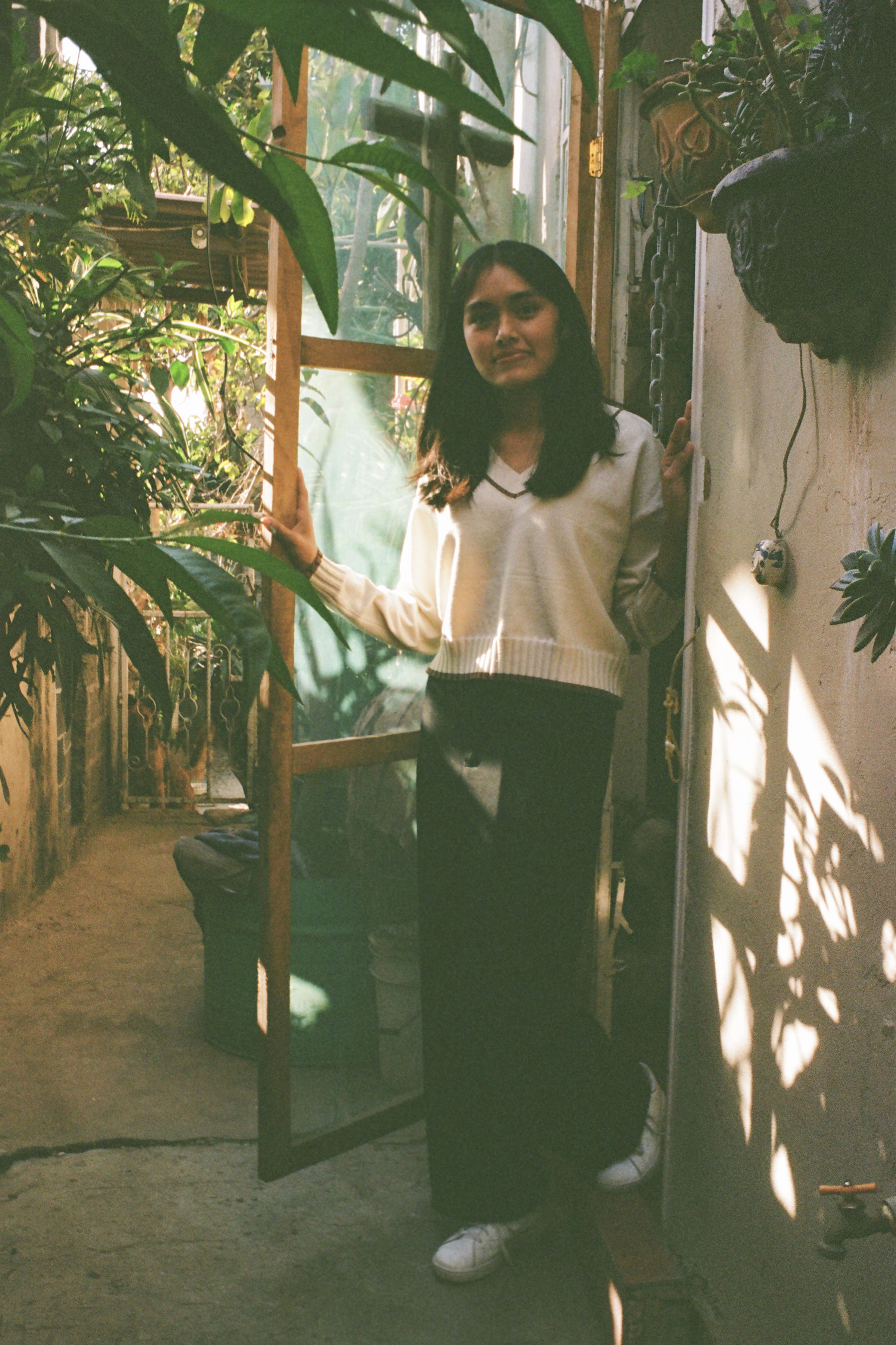
portrait · 15 years old · high-school student
Zulay Ikarani Amaro Jasso
“It isn’t the same when a teacher teaches you and when your parents do.”
Zulay Ikarani Amaro Jasso
The interview took place on 7 November 2025 with Zulay Ikarani Amaro Jasso. She is a teenager born — for hospital reasons — in the municipality of Los Reyes La Paz, State of Mexico; but she has always lived and grown up in Valle de Chalco Solidaridad.
She is 15 and currently studies at high school no. 88. The aim of interviewing her was to have the view of a young person from the municipality. As a student she lived through two of the events that most marked schooling here.
First, in primary school, the effects of the earthquake of 19 September 2017: because of the damage to her school building, in-person classes stopped and everything moved online. She experienced this as something negative that denied her access to a quality education.
Then, in secondary school, the Covid pandemic, which again ended in-person teaching. For a second time she went through an education delivered over the internet, which did not allow her the fuller schooling she would have wanted.
In the interview she spoke about the major social problems in her community: the lack of safety, the lack of water, the potholes in the streets. She considers that the main gathering place for social life in the municipality is the Luis Donaldo Colosio sports park, but that such spaces are not properly used because the authorities fail to maintain them. Finally she says she would like to go on living in her municipality: despite all the problems, people in general are very supportive of one another.
the interview
Extracts from the recorded interview, translated from Spanish. The talk has been tightened, never corrected.
How did the 2017 earthquake affect your schooling?
Basically I did my whole schooling with piles of photocopies here at home. I didn’t learn much, I lost a lot, I didn’t learn the way you learn when you go to school every day.
So in-person classes were suspended?
Yes, because when the earthquake struck, the wall where the third-year classrooms were came down, and there were no longer decent facilities or the safety for us to study. So they sent the work home for the children to do there. But it isn’t the same when a teacher teaches you and when your parents do. Your parents teach it the way they understand it, they can try, but it isn’t the same. I didn’t learn as much.
And the 2020 pandemic?
A lot. For instance, there was no being together any more; when I went back to school I couldn’t be with my classmates properly because I no longer knew how, or what to talk about. And learning was very hard, because you’re supposed to have covered those topics in primary school, and when they teach them to you in secondary, after the pandemic, I couldn’t understand them any more, I struggled. I made a lot of spelling mistakes: that’s where it hit me hardest, in writing.
What do you see as the main problems in your municipality?
Insecurity, the lack of water, the road surfacing. I think those are the ones that hit hardest.
What would you recommend to solve them?
For the roads: that instead of investing in other things, the council fixes the streets, the potholes. For the water: that they send us water every few days at least, or at least that the tankers are properly distributed to the places where water is scarcest. For safety: more cameras, more police presence. I think that’s the most that can be done in these circumstances.
Where do young people meet in Valle de Chalco?
The Deportivo Colosio, that’s where most people gather, whether to play basketball, to sit on the benches and chat, to play football, to hang out together.
Does the municipality have the spaces it needs for cultural life?
I think it does, but I feel they aren’t used enough. There’s the hacienda: you could hold all sorts of cultural activities there. If it were used properly it would be a really good space. But I feel it isn’t used enough.
Would you like to go on living in Valle de Chalco? Why?
Yes, because in spite of everything there are very kind people, people who back you up when you need something, people are always there for you. I think I’d stay mostly because of how people treat you: in some ways they’re very kind, in others sometimes not, but I think it’s a good place to live. Well, for me anyway.
Interview conducted by Genaro Amaro Altamirano, 7 November 2025.
back to the portraits
seven residents
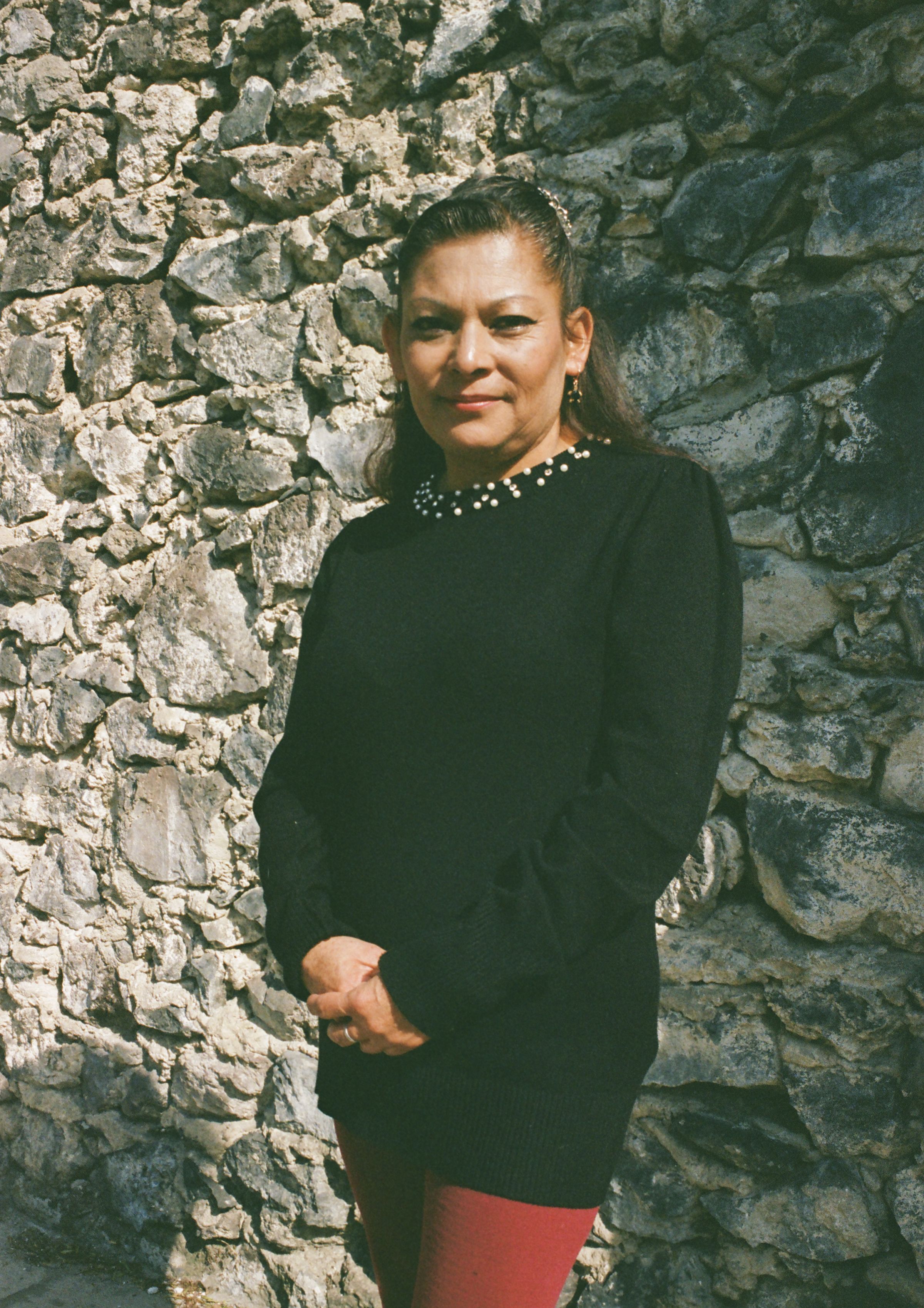 María Dolores Martínez Rangel50 years old · homemaker · choir singer
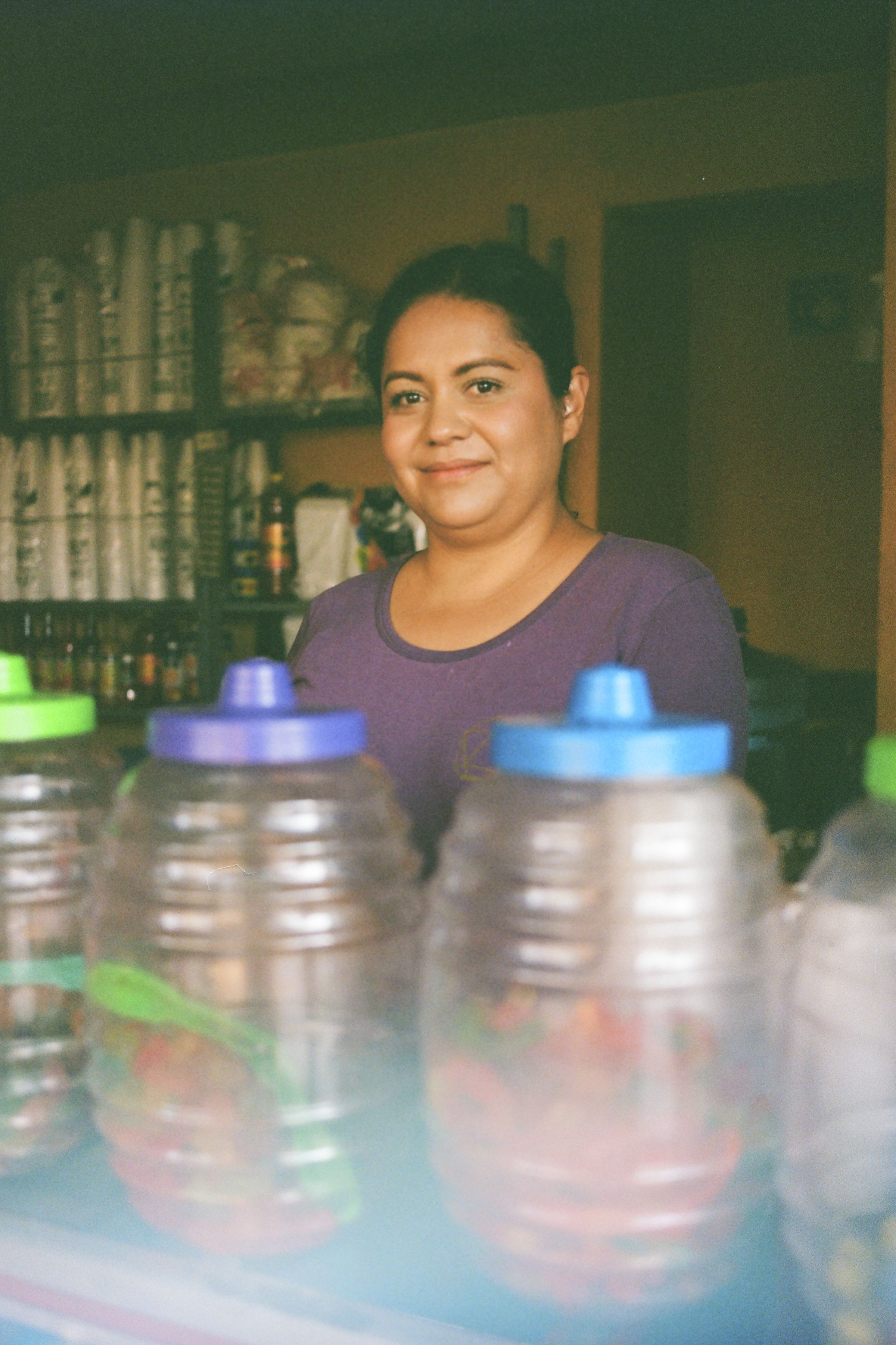 Cecilia del Sagrario Losa Arreaga34 years old · shopkeeper
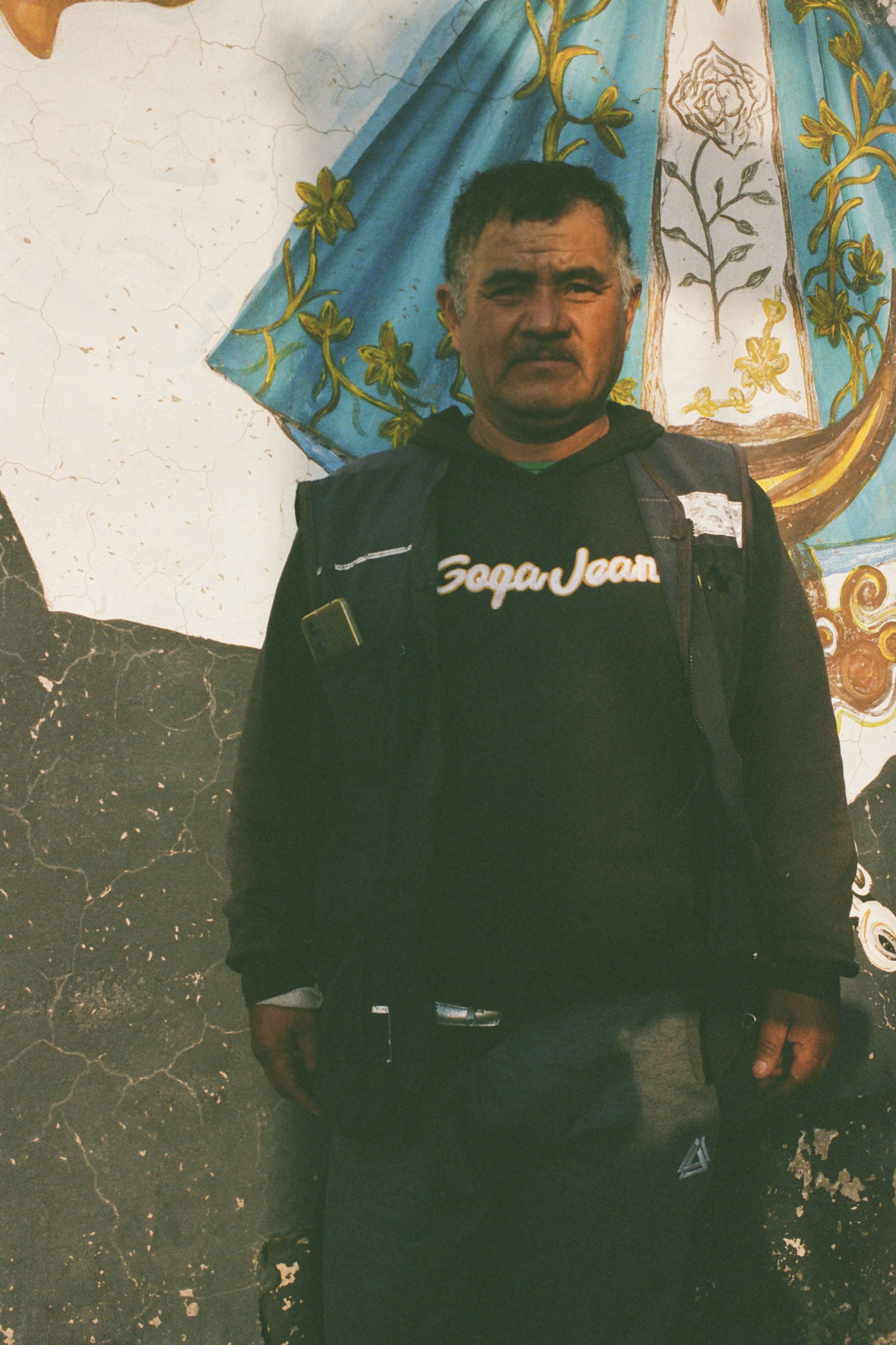 José Rivera Mendoza53 years in the municipality · moto-taxi driver
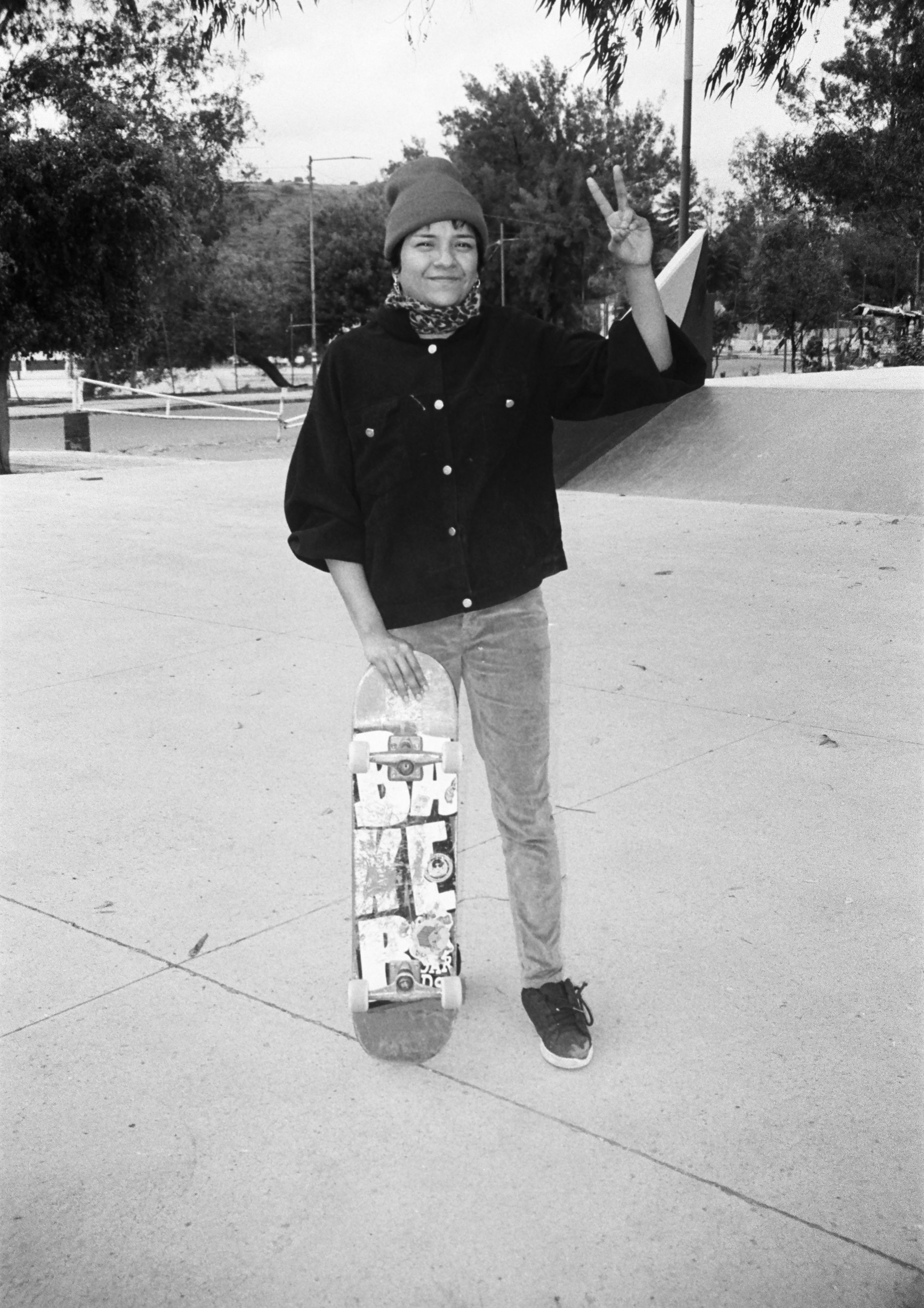 Daniela Ramírez Hernández29 years old · skater · carer
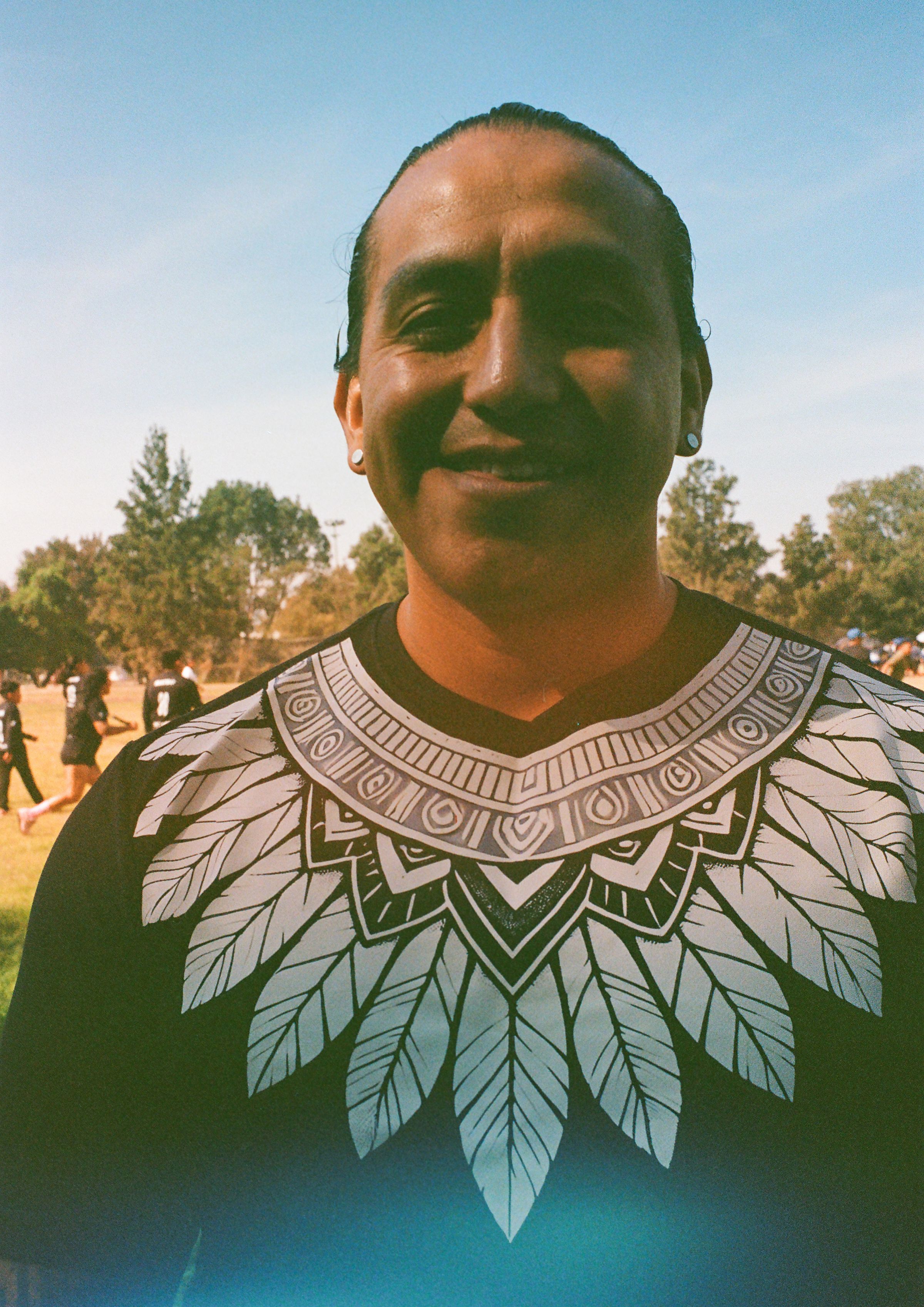 Adrián Alvaradofounder, coach and president of Rugby Mictlán
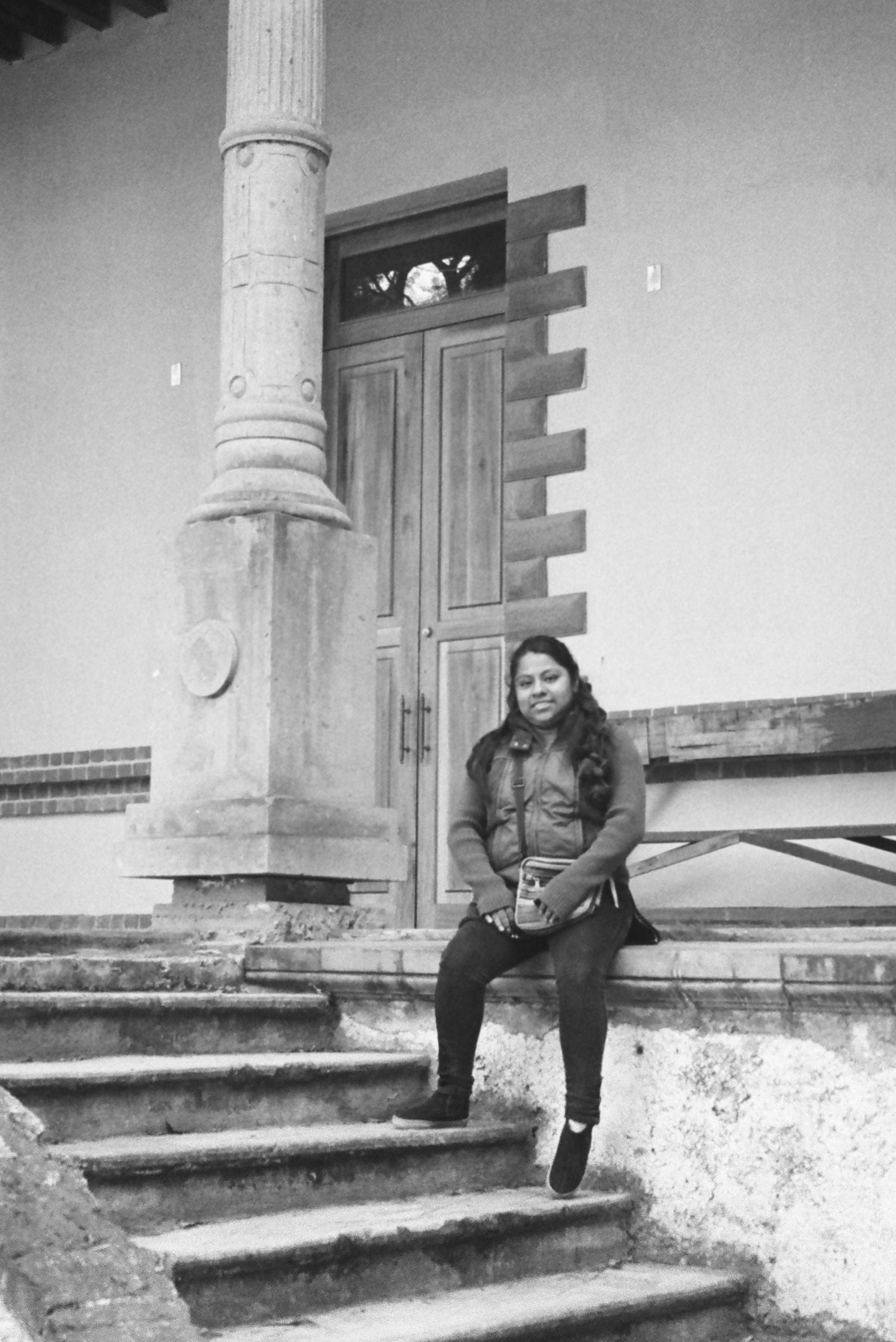 Luz Andrea Quiroz Hernándezartisan · backstrap weaver · Mixtec speaker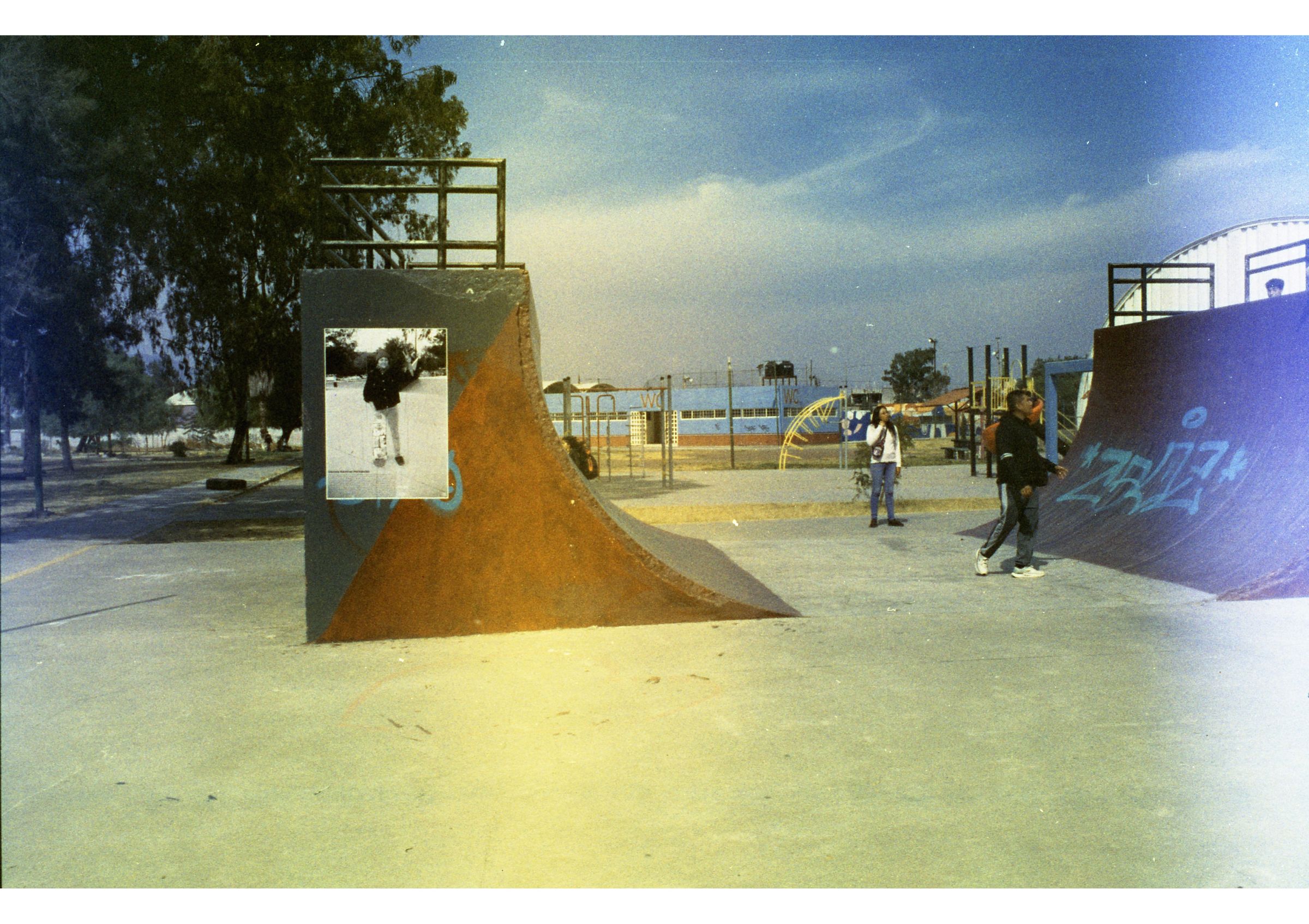
partners
Museo Comunitario del Valle de Xico
Arte y Cultura Xico A.C.
mOst — mon œil sur terre
credits
photographs and texts by the workshop participants — Valle de Chalco Solidaridad, 2024–2025.