 más allá de las calles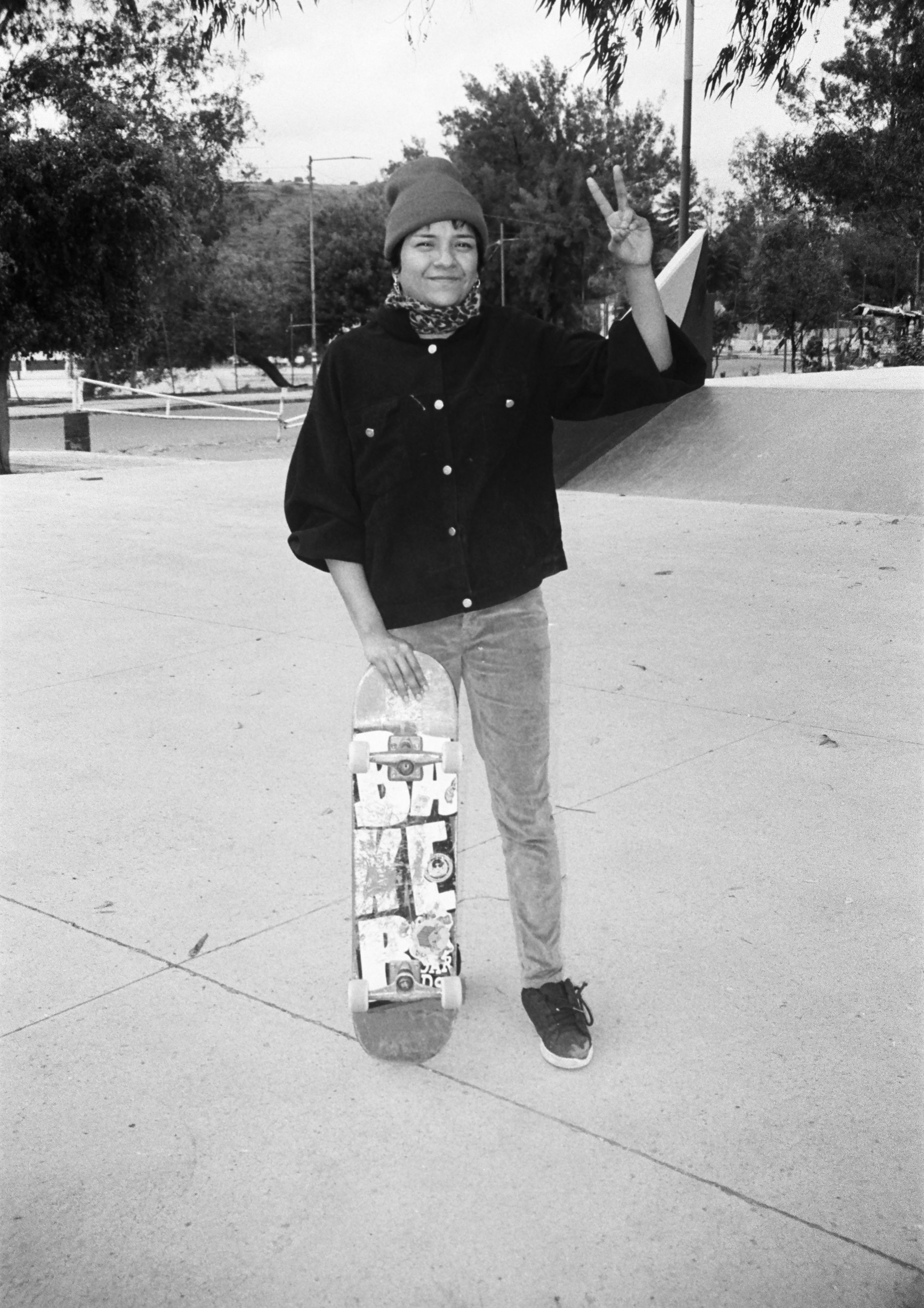
portrait · 29 years old · skater · carer
Daniela Ramírez Hernández
“Skating opened my mind and my heart so I could open doors to other things.”
Daniela Ramírez Hernández
Daniela is a 29-year-old woman who studied Health Care and Ethnohistory. She was born in the municipality of Valle de Chalco Solidaridad, in the “Dr. Fernando Quiroz” General Hospital. At 14 she discovered skateboarding, which “opened her mind and her heart”.
She sees the people of Valle de Chalco as very diverse, since some were born here and others arrived through migration. What she likes is that when all these people come together things can be achieved; but it is violence that causes the division between everyone. She has unfortunately suffered verbal abuse and harassment from the police; on one occasion she told them they were frightening — that instead of feeling protected, it was terrifying to see them.
Violence, the police, apathy, indifference to collective problems are some of the things she dislikes about Valle de Chalco; what she does like is when people come together and support one another. She is also enthusiastic about the history of her municipality, and therefore about the Museo Comunitario del Valle de Xico and the archaeological collection it holds — especially the “Xico-type figurines” with their feminine features, which for her demonstrate the respect for women, for fertility and for nature that existed in the past.
the interview
Extracts from the recorded interview, translated from Spanish. The talk has been tightened, never corrected.
Why skateboarding?
I skate because ever since I was 14 I had this feeling of emptiness, but also of wanting to do something. Then I discovered skating and it opened doors for me — more than anything it opened my mind and my heart so that I could open doors to other things. And it is a beautiful sport, because you learn to hold on to what you want, no matter how many times you fall or hurt yourself.
What are people like in Valle de Chalco?
We people from Valle de Chalco are mega diverse and multi-diverse, because a lot of people here are migrants and others of us were born here. I feel we are good people: if we want to, we can come together. But at the same time there is a very ugly, very drastic inequality, mainly because of the violence, which is what generates this division and this inequality.
Have you had any incident with the police?
With the police, yes: more than anything material being stolen, they abused me verbally and attempted sexual harassment. What did I do? At the time I was very frightened, physically I felt ill. And I did tell them they were frightening: that instead of feeling protected, it was terrifying to see them.
What don’t you like here?
The violence, the police, the apathy in people and the division — even the division between the different colonias of the municipality. Because there are problems, the water for instance, and some colonias have had water for a week and say: well, now I don’t care about the other colonia’s problem, because I’ve got water. That’s a very big problem here: apathy and indifference towards collective problems.
And what do you like?
That if we could agree and understand social problems collectively… because people do come together, you have seen unity, you have seen support. We’re all fed up, we’re tired. But you have to keep telling them, keep insisting. So what I do like is that there are people who unite, really really good people, very educated people who care about the problems. That’s what I like too.
Do you know the Museo Comunitario? Do you have a favourite piece?
Yes — the Museo Comunitario matters enormously to me, because it is exactly what I love about Valle de Chalco: it taught us that Valle de Chalco has an immense history, going right back to prehistory; it holds almost every classification of history there is. It opened its doors to me when I was small; it has wonderful collections that people donated so they could be exhibited and so we could all get to know them. That is the most important thing. And my favourite piece is the Xico-type figurine, because as its name says, it has been found here many times. It has very important features, you could call them feminine — like other figurines known as cebollonas, which are also feminine. And that is really something, because it tells us that here in Valle de Chalco that respect for women, for fertility, for nature already existed.
Anything else you’d like to add?
I invite us all to fight. We are going through very severe crises, in which we have to rethink many things, and start working collectively even if we have individual problems. Maybe we don’t much like a particular person, but unfortunately love and respect for the other has to win out over that resentment and that hatred, and we have to work at it; it isn’t easy, it isn’t easily said, but it has to be worked at, it takes a process.
Interview conducted by the workshop participants, 2025.
back to the portraits
seven residents
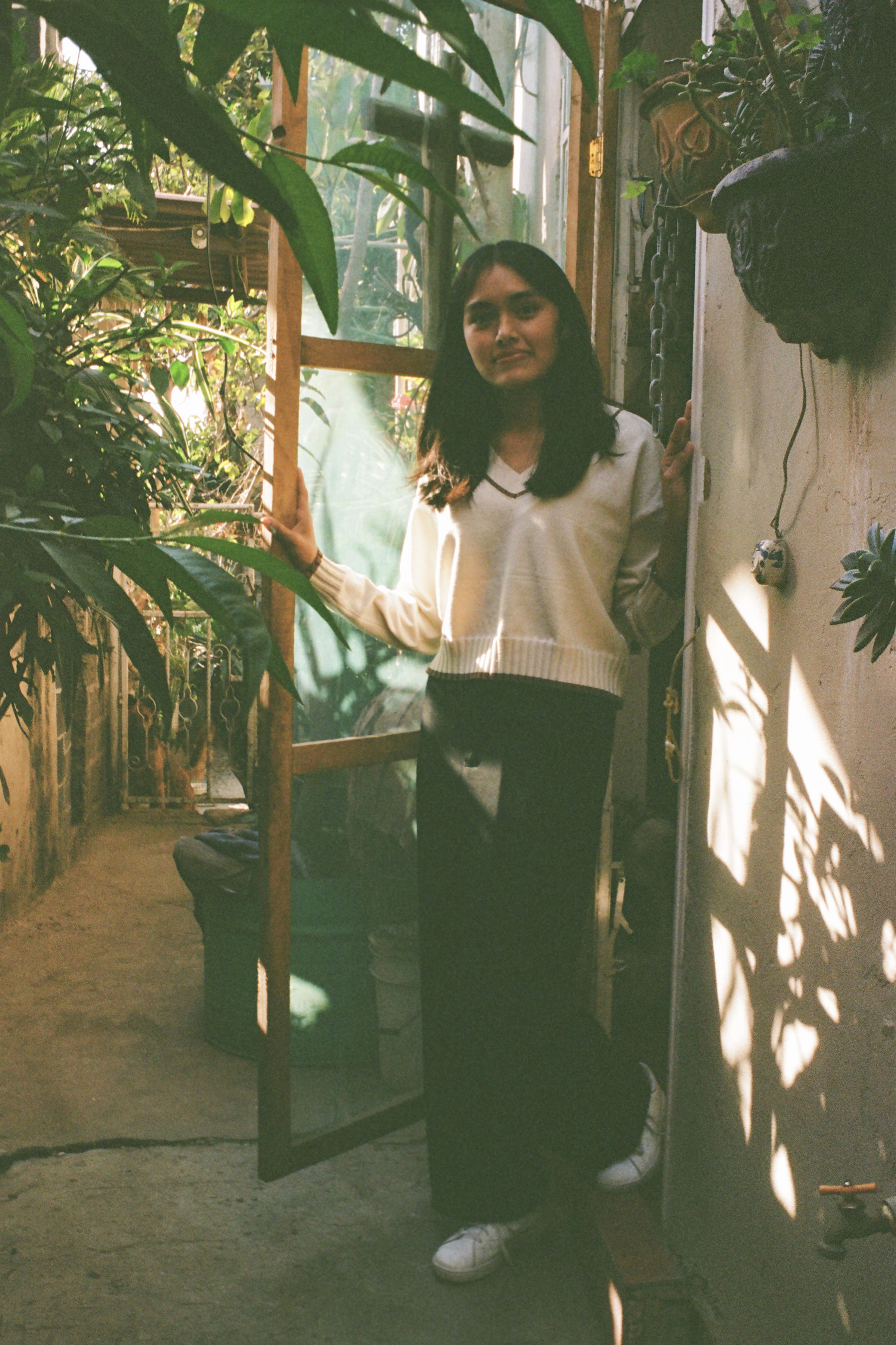 Zulay Ikarani Amaro Jasso15 years old · high-school student
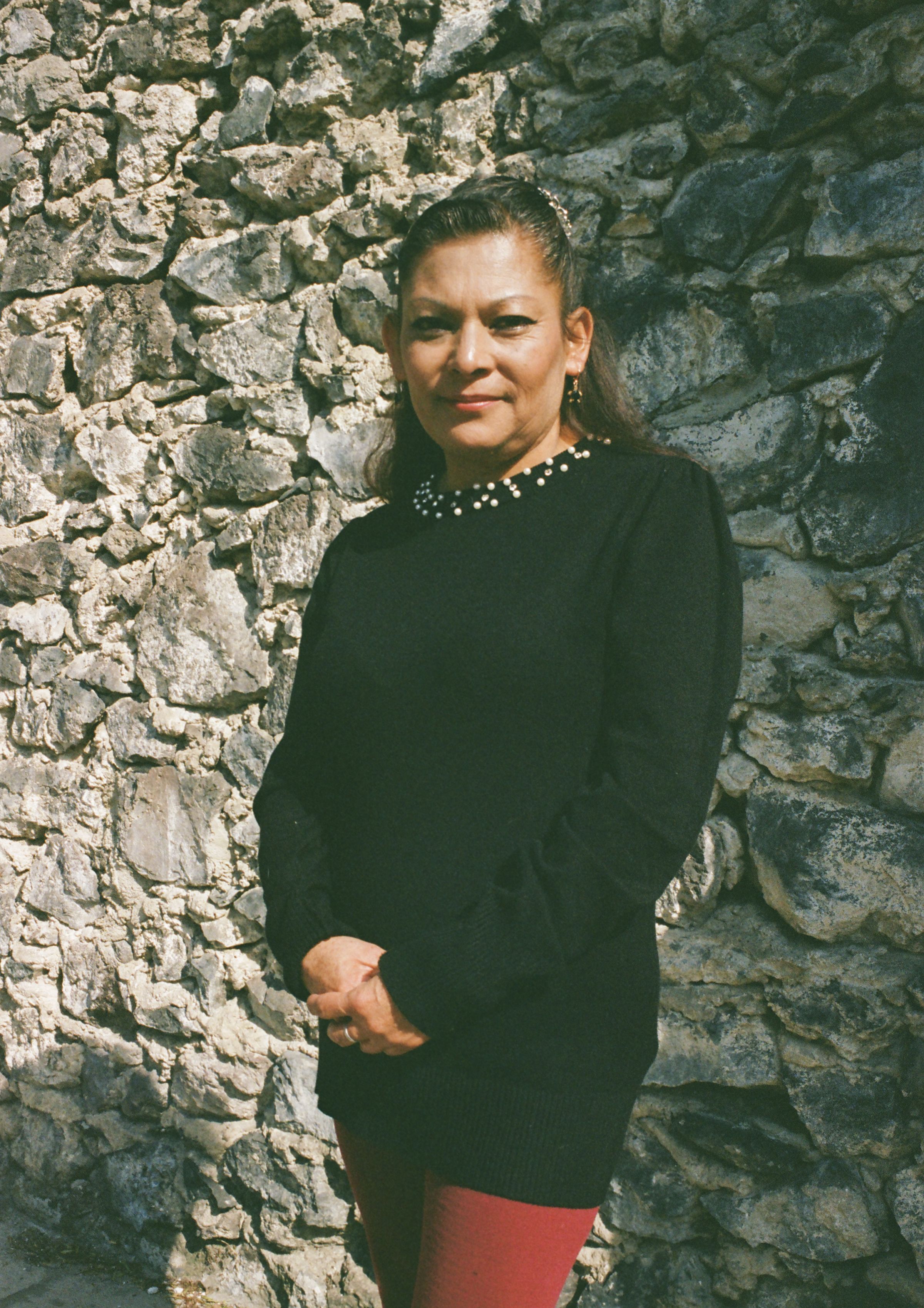 María Dolores Martínez Rangel50 years old · homemaker · choir singer
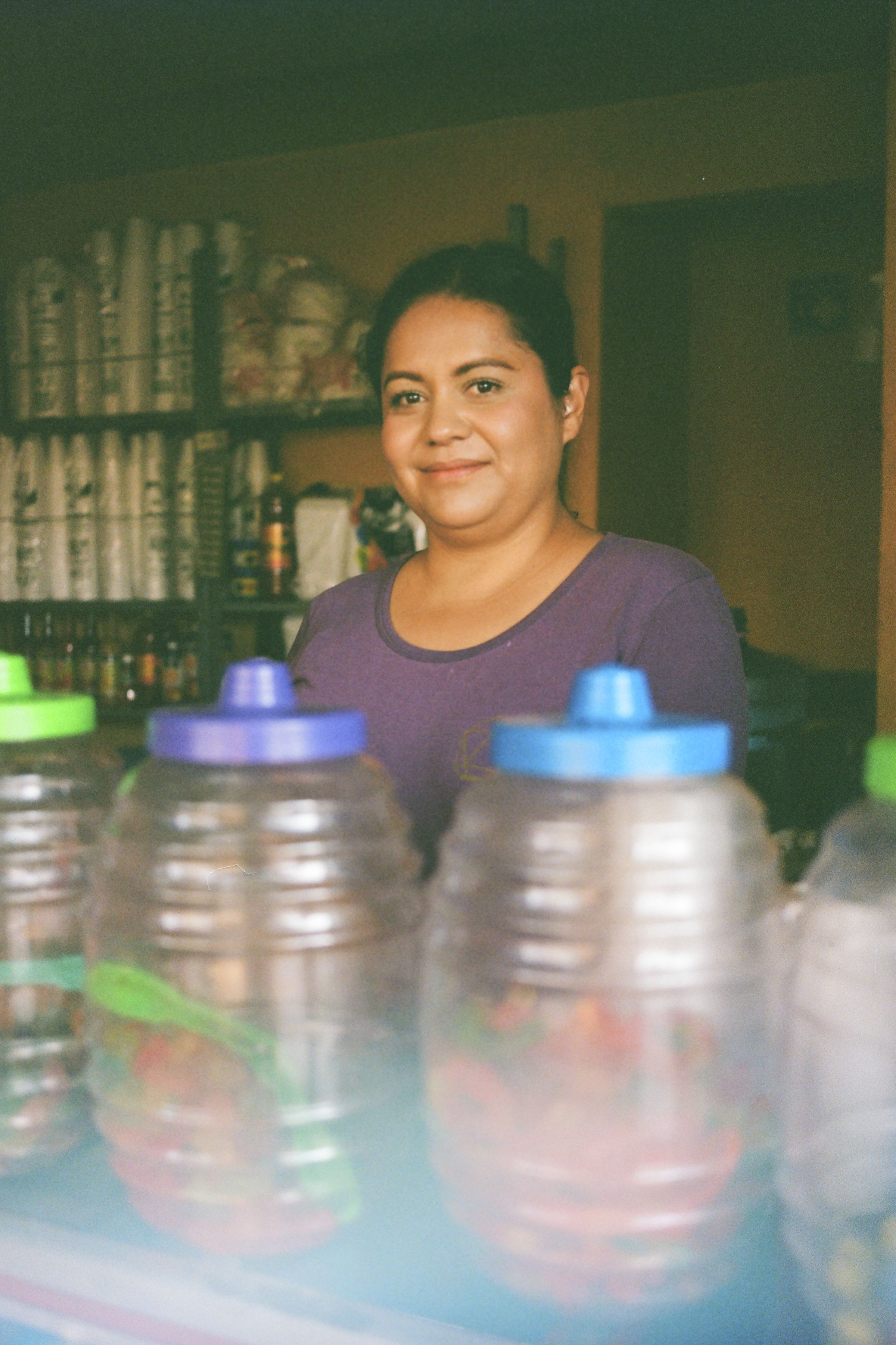 Cecilia del Sagrario Losa Arreaga34 years old · shopkeeper
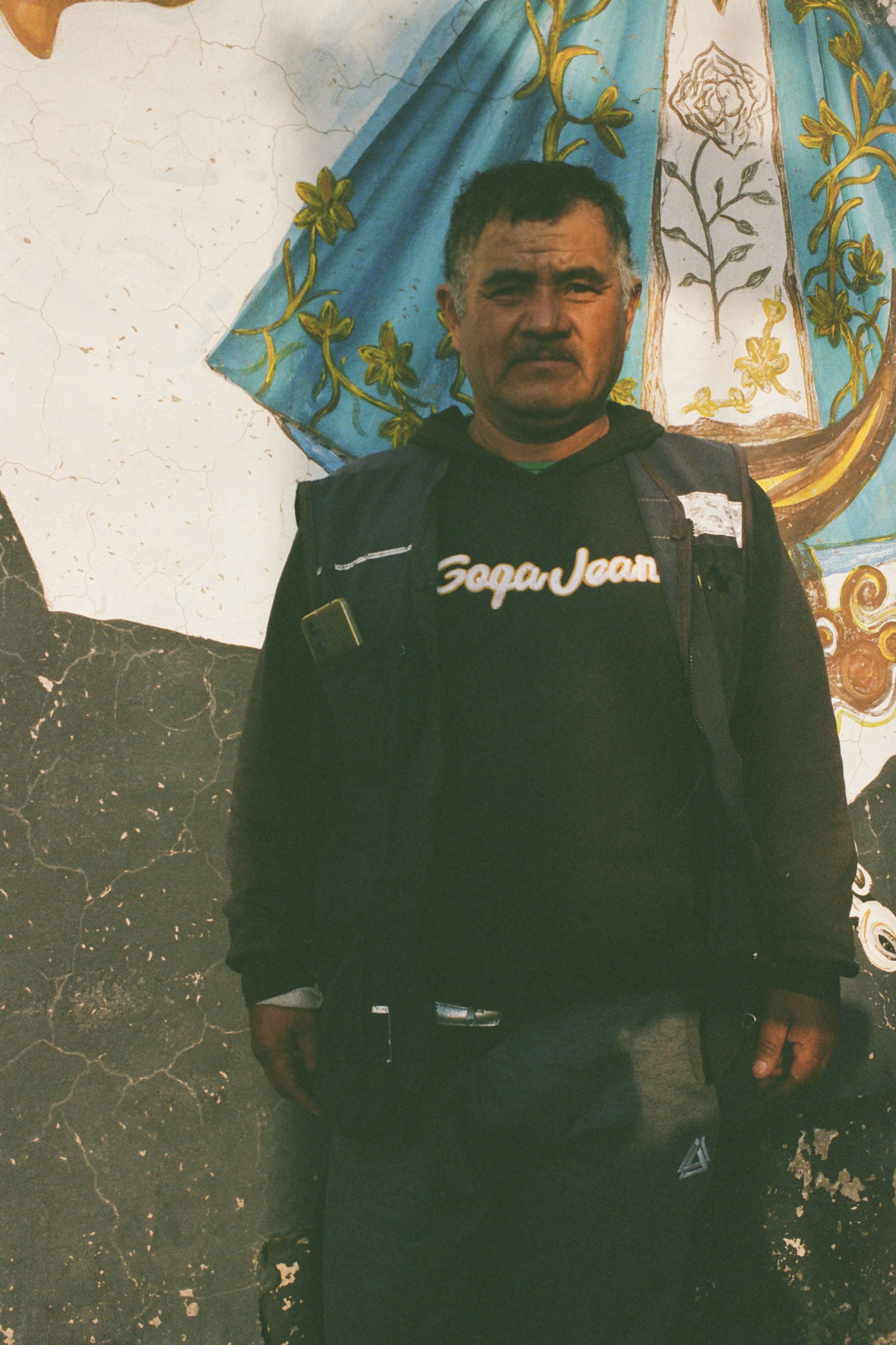 José Rivera Mendoza53 years in the municipality · moto-taxi driver
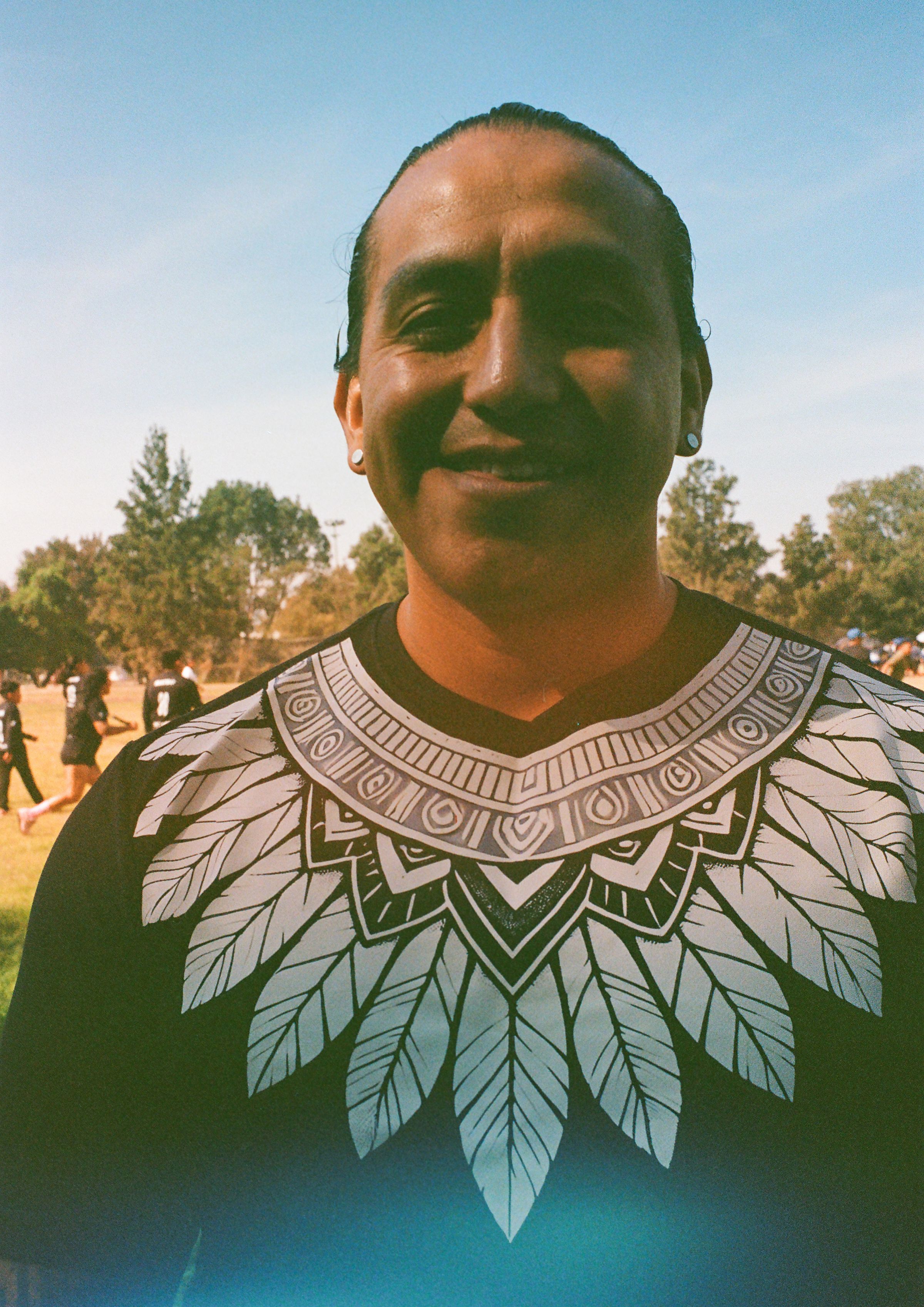 Adrián Alvaradofounder, coach and president of Rugby Mictlán
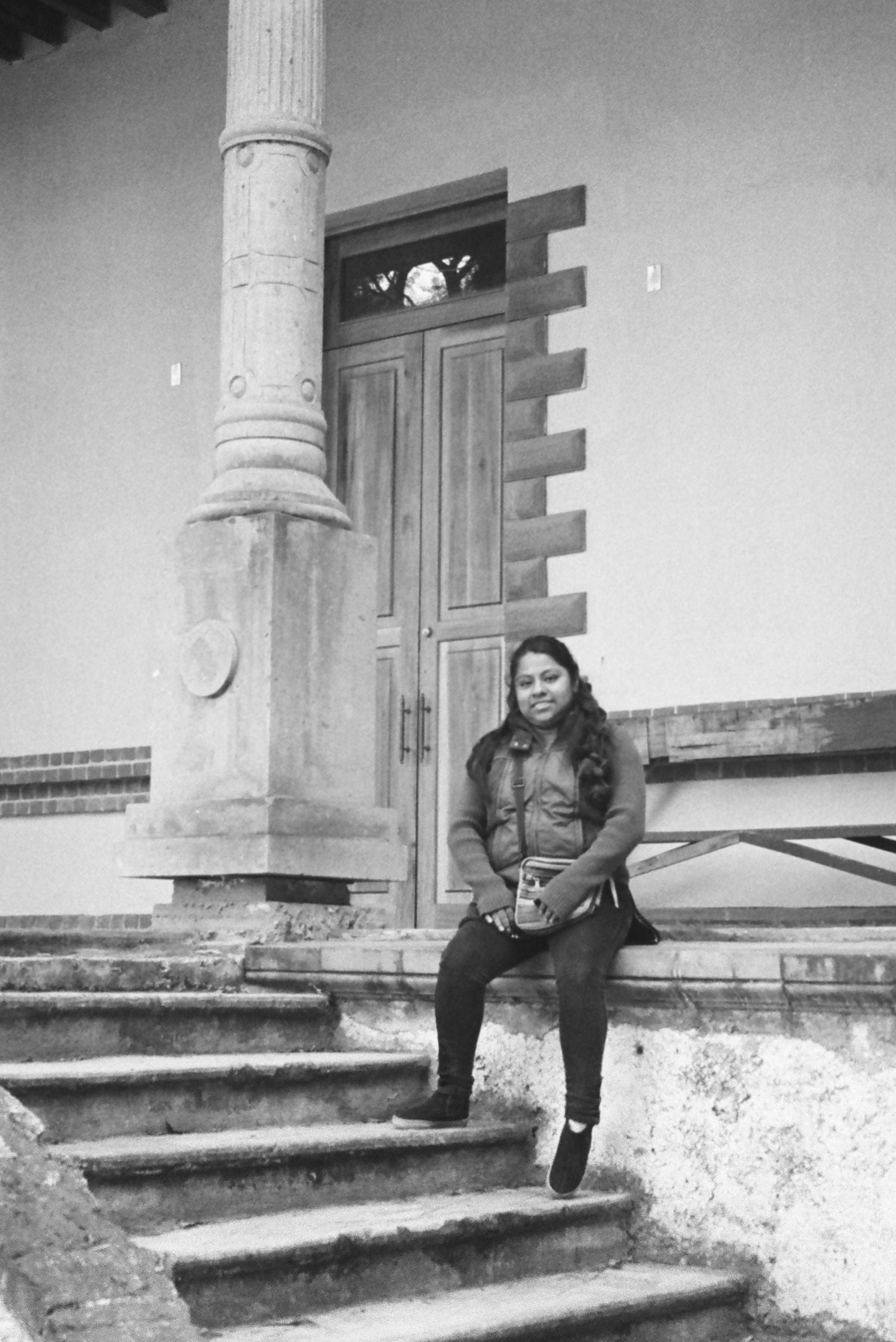 Luz Andrea Quiroz Hernándezartisan · backstrap weaver · Mixtec speaker
partners
Museo Comunitario del Valle de Xico
Arte y Cultura Xico A.C.
mOst — mon œil sur terre
credits
photographs and texts by the workshop participants — Valle de Chalco Solidaridad, 2024–2025.