 más allá de las calles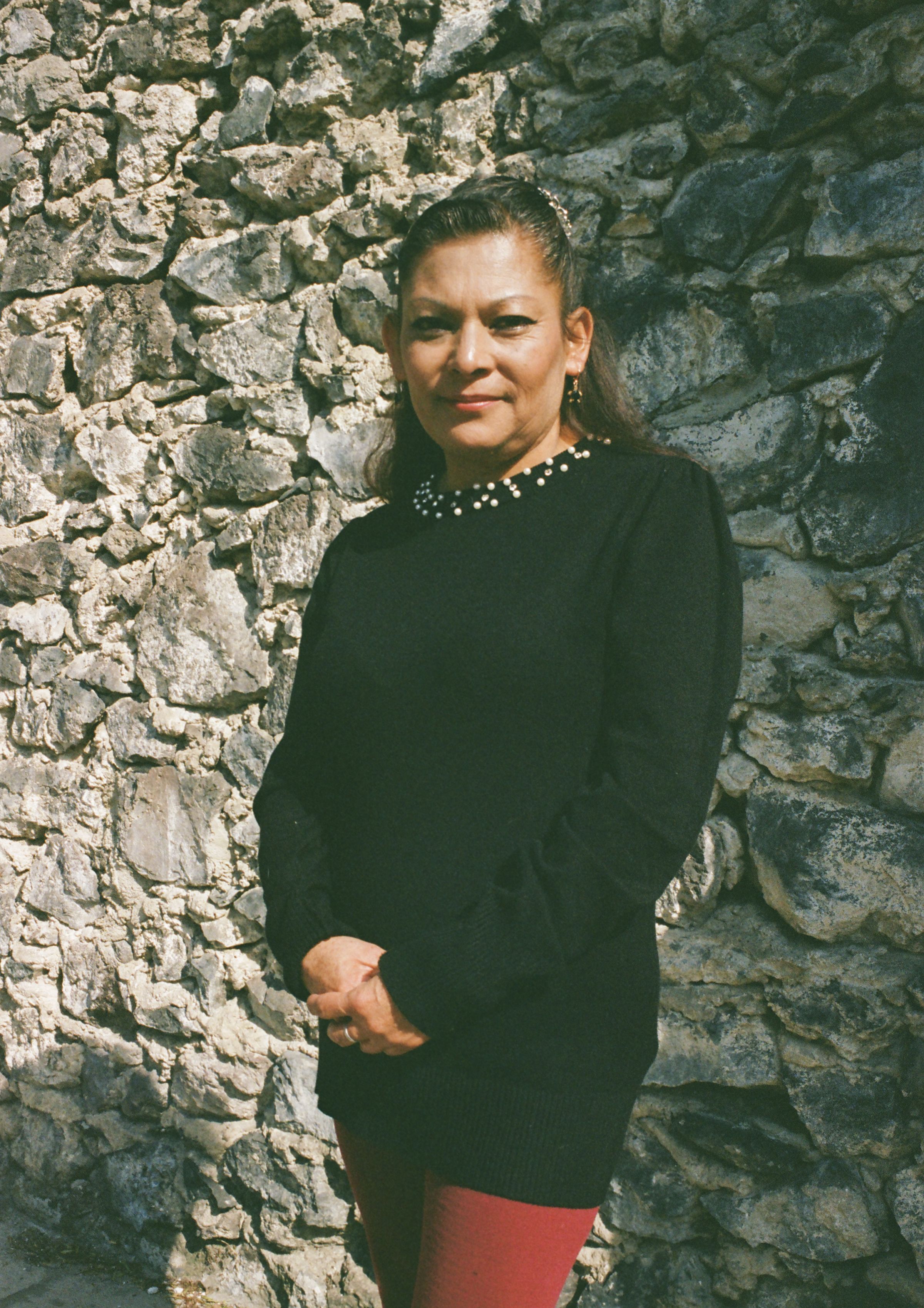
portrait · 50 years old · homemaker · choir singer
María Dolores Martínez Rangel
“I arrived when I was seven, in 1982. This was a desert valley: no water, no electricity, no parks.”
María Dolores Martínez Rangel
She is an older woman who now devotes herself to running the household; in her spare time she sings in the church choir, and singing is her passion. She is also deeply religious: not only does she go to choir, she goes to mass twice a week.
It is not only singing in the choir that she loves: she enjoys the company of her three daughters, of whom she is immensely proud. Another of her pastimes is watching telenovelas on her phone, because that way she enjoys the housework more. Without a doubt, a great person.
the interview
Extracts from the recorded interview, translated from Spanish. The talk has been tightened, never corrected.
How long have you lived here in Valle?
I’ve lived here for 43 years; I arrived when I was seven, in 1982. Before that I lived in the Valle Gómez neighbourhood. We came here because my father bought a small plot — where we lived before, the house was only lent to us.
What was Valle de Chalco like when you arrived?
There have been many changes, because at first we couldn’t get used to the climate; we didn’t have here the advantages we had there, in what was then called the Federal District and is now Mexico City. We didn’t have those things: water, electricity. There we used to go out and play in the parks. When we arrived here there was none of that. It was, you could say, a desert valley: no water, no electricity, no parks. The schools were vacant lots where they’d put up a few huts, and that’s where we studied.
And how did you do your homework?
Back then, with the textbooks they gave us at school, because we had no libraries; much later one was built, the one here in what they call the old hacienda. They made a library and would send us to do research. And we did our homework by candlelight, because we had no electricity. We lit ourselves with candles.
What is still missing, in your view?
Transport. With all the roadworks now, the traffic… What would work better is more routes, faster ones, to get to the centre of Mexico City. And fares that aren’t so high: it hits the household budget, because often people live day to day, and now that fares are going up, that’s a real disadvantage.
And work? Why do people travel to Mexico City for work?
Because there, the way I see it, the pay is higher than here in Valle. And here we lack factories or something like that, so people wouldn’t have to travel all the way to Mexico City to find work. And then employers often don’t take people’s journeys into account: sometimes you arrive late and they say, you’ve lost your right to work today because you were late. What they don’t consider is the commute. With the traffic the way it is, what can you do?
And safety, on your street?
Where I live there’s a police post, some sports courts, and there are often people there who make a living from stealing. Some people leave home at four in the morning, and unfortunately they are the ones who bear the insecurity, because it’s frightening to walk past: it’s a spot where people get mugged, or the motorbikes come out and grab you. We call the patrol and sometimes it never comes, or it comes long afterwards.
Have you ever had to step in?
Once we had to help a young woman who was walking past and started screaming because she was being attacked, right outside the house. It was around eleven at night; we heard a girl shouting for help. Thank God we were still awake. We went out, looked, and saw that someone was attacking her, and between my nephews and some neighbours we went out and, one way or another, my nephews pulled the man off her and helped her. But the patrol never came. My neighbours and my nephews walked her home.
Can you count on the neighbours?
I say it’s about making official requests, but also with help from the neighbours. Except the neighbours often aren’t interested. And it’s pointless telling them: you know what, let’s get together and ask them to give us some policing. Then someone says, no, I haven’t got time, my job won’t allow it. They raise all sorts of objections, and I think that’s wrong too. And then when something happens: oh, if only we had done it. But by then, what’s the point?
And family life, what has changed?
The internet has taken our togetherness away, because before we lived as a family. We played lotería, the board games there used to be, the game of the goose, or we went out into the street and played hide and seek, but as a family. We made up games, we talked as a family. There was none of this “I’m on my phone and I’m not listening to you”. Now everyone is in their own world. The only time we gather is when there’s a party, and it’s lovely because we are together as a family: my brothers and sisters, my parents while I still have them, my nephews, my daughters. It’s lovely, it really is very lovely.
What would you change here in Valle?
I would like a health centre closer to my area, because the one I go to is a bit far. That’s what I would change here. And also the shortage of medicines, in the hospitals and in the health centre alike: only yesterday I went to my appointment and they didn’t give me my medication, because they didn’t have it.
Interview conducted by Santiago Israel Amaya Martínez, November 2025.
back to the portraits
seven residents
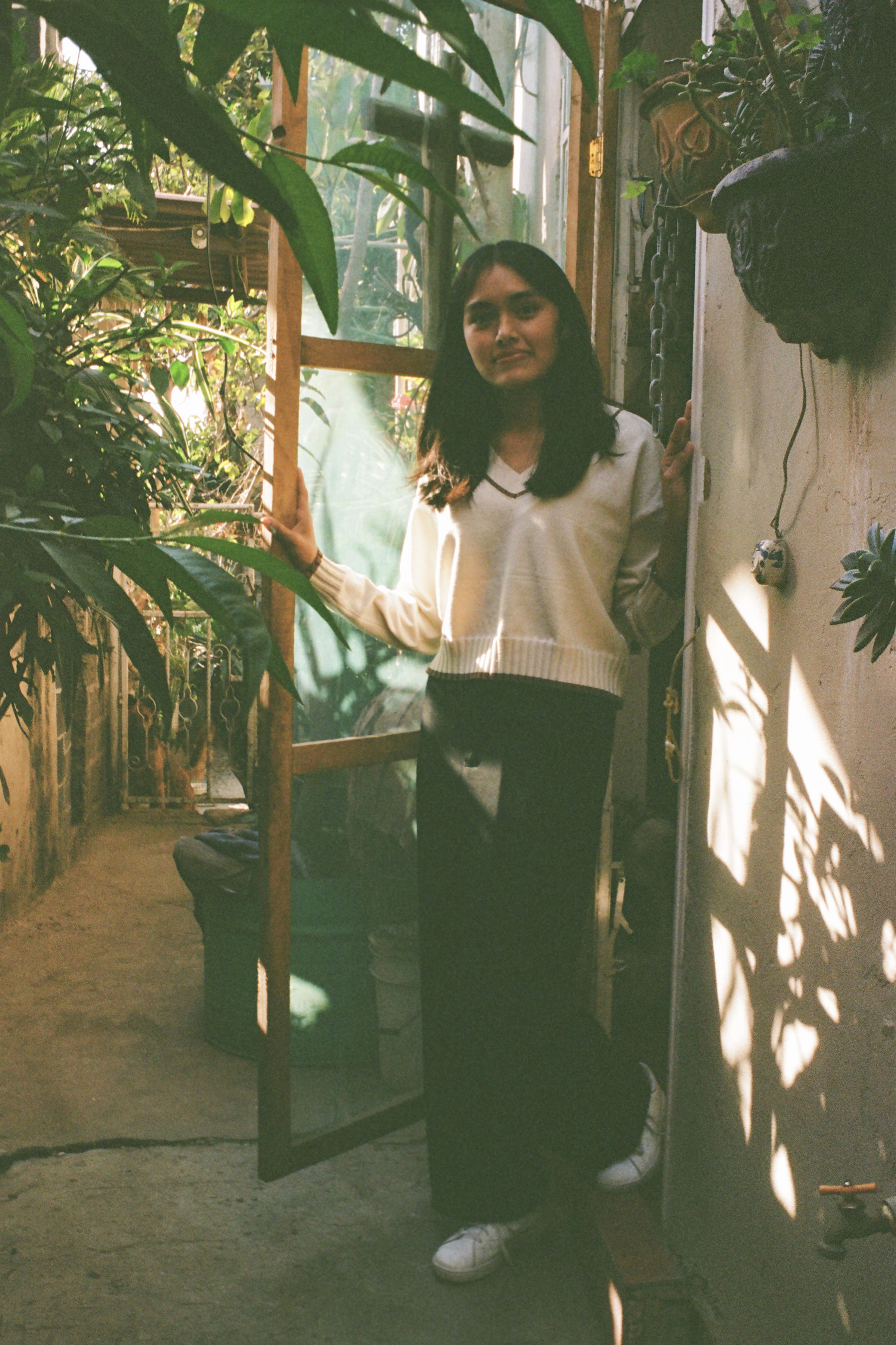 Zulay Ikarani Amaro Jasso15 years old · high-school student
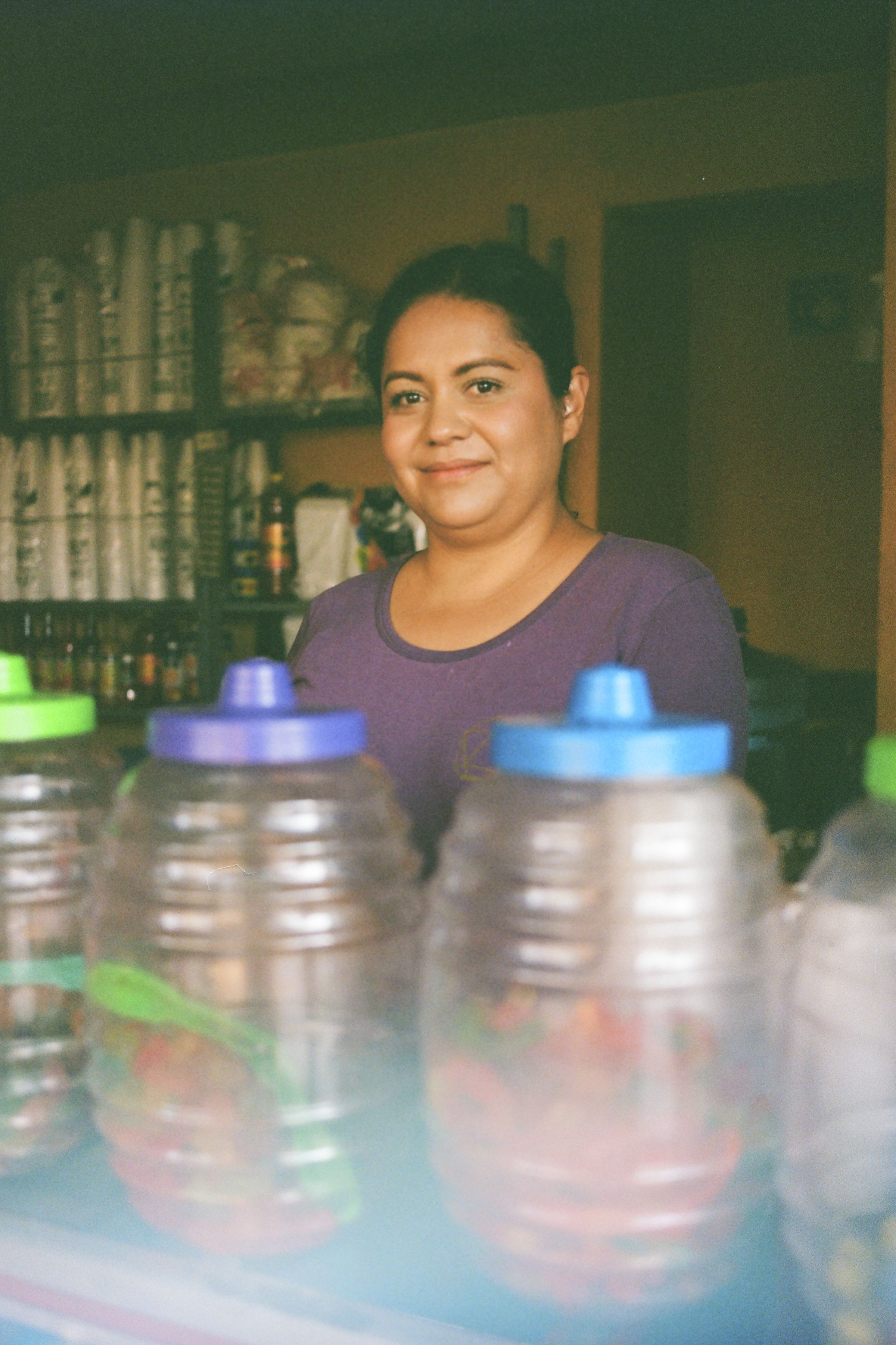 Cecilia del Sagrario Losa Arreaga34 years old · shopkeeper
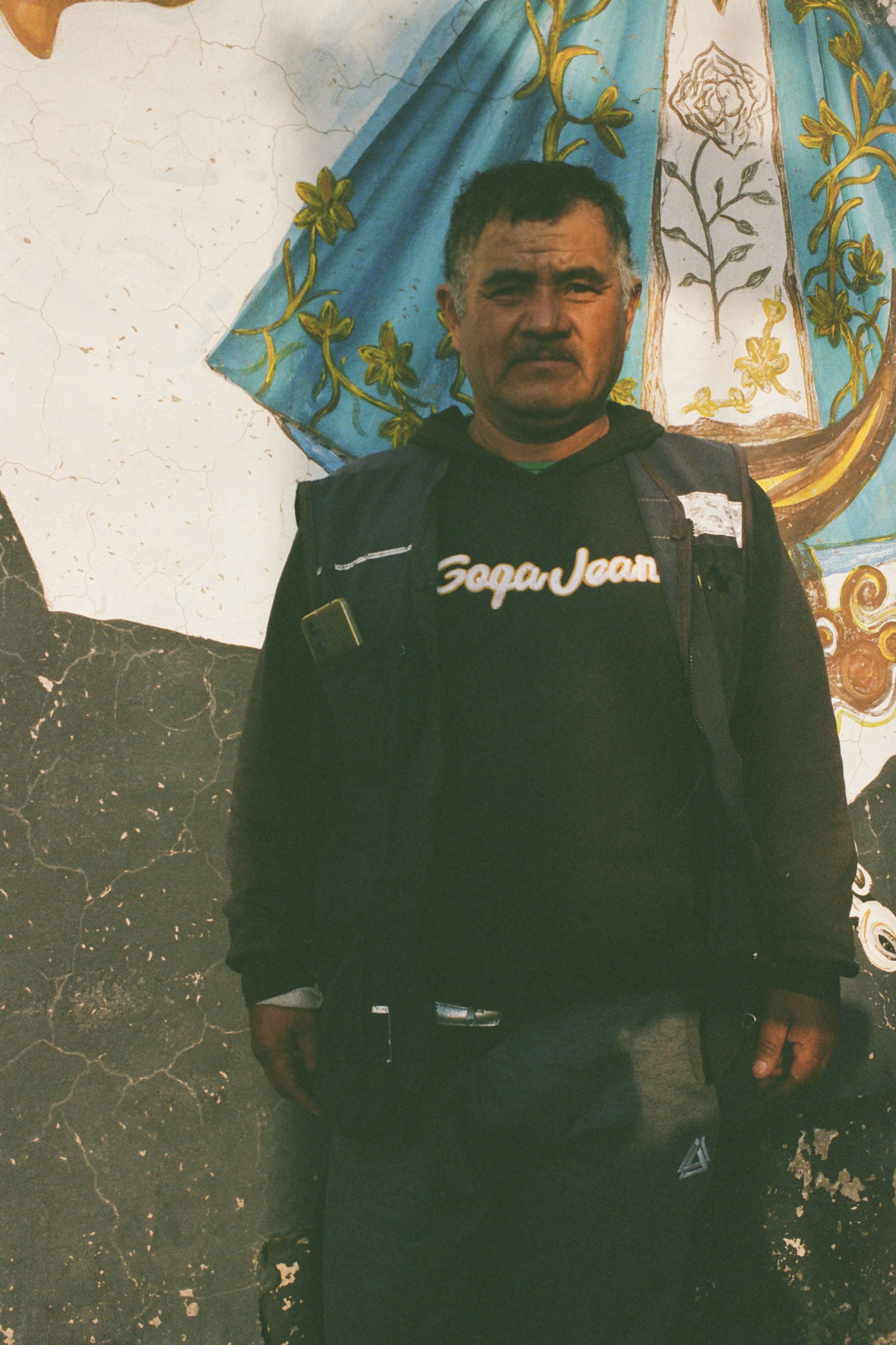 José Rivera Mendoza53 years in the municipality · moto-taxi driver
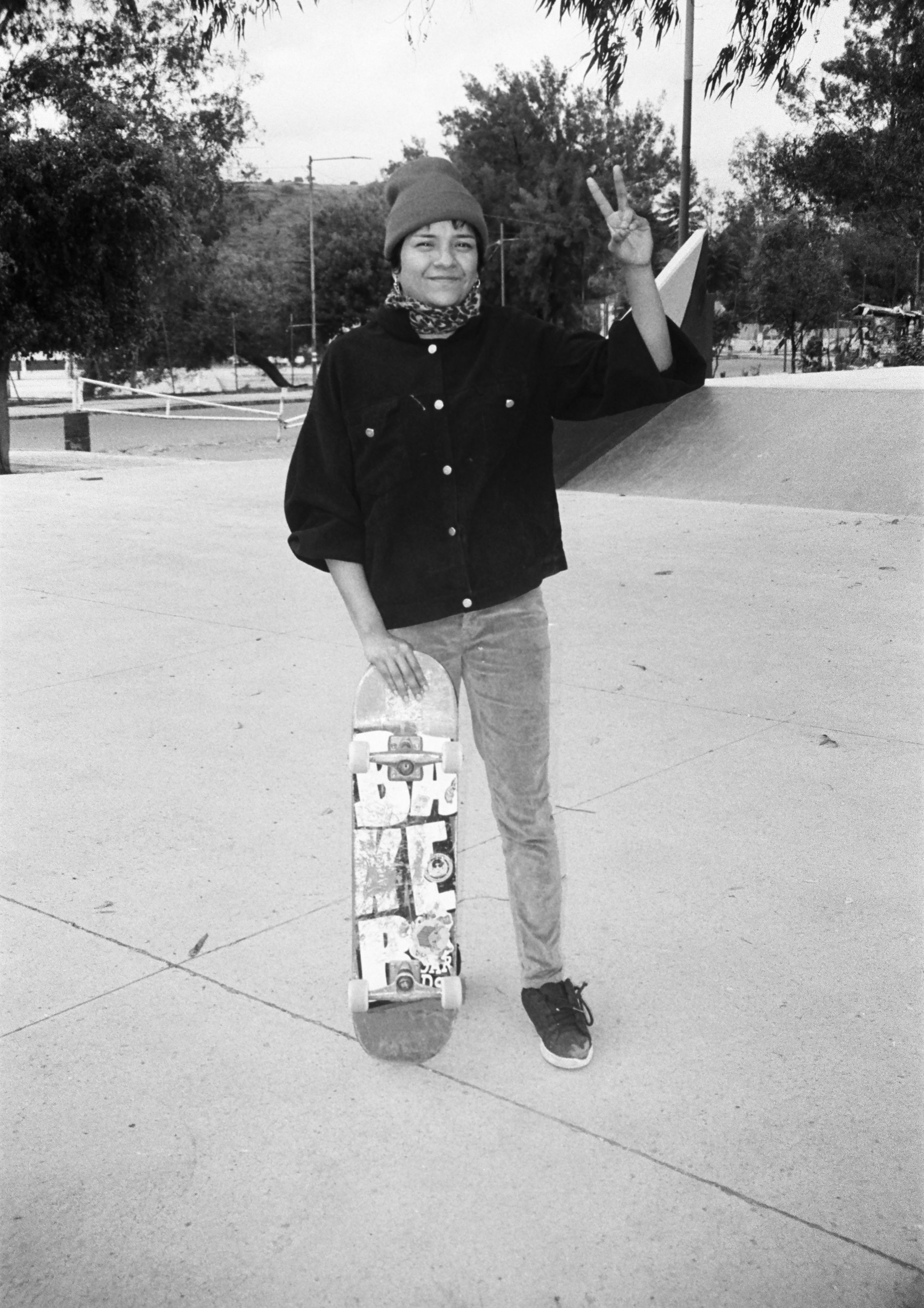 Daniela Ramírez Hernández29 years old · skater · carer
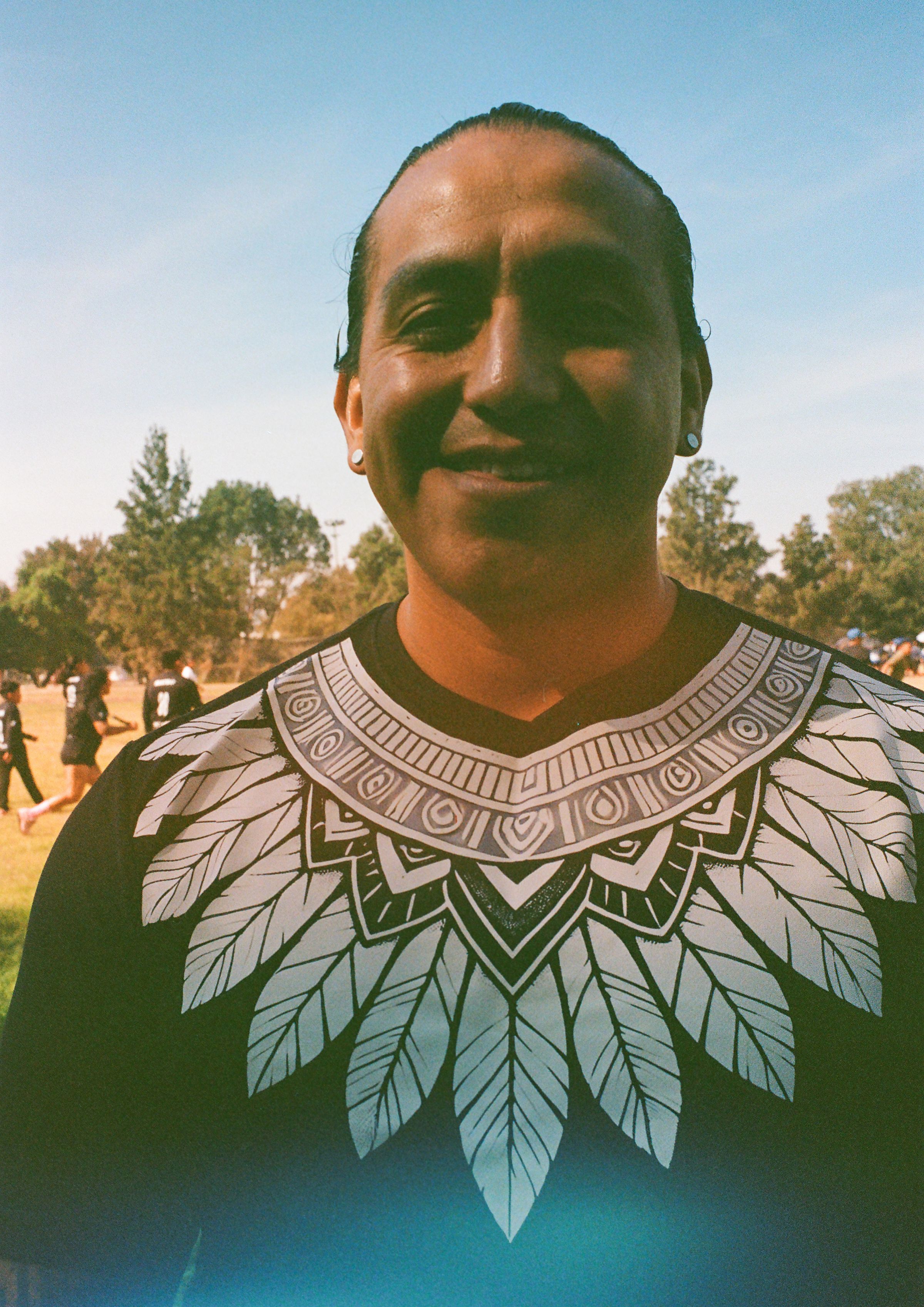 Adrián Alvaradofounder, coach and president of Rugby Mictlán
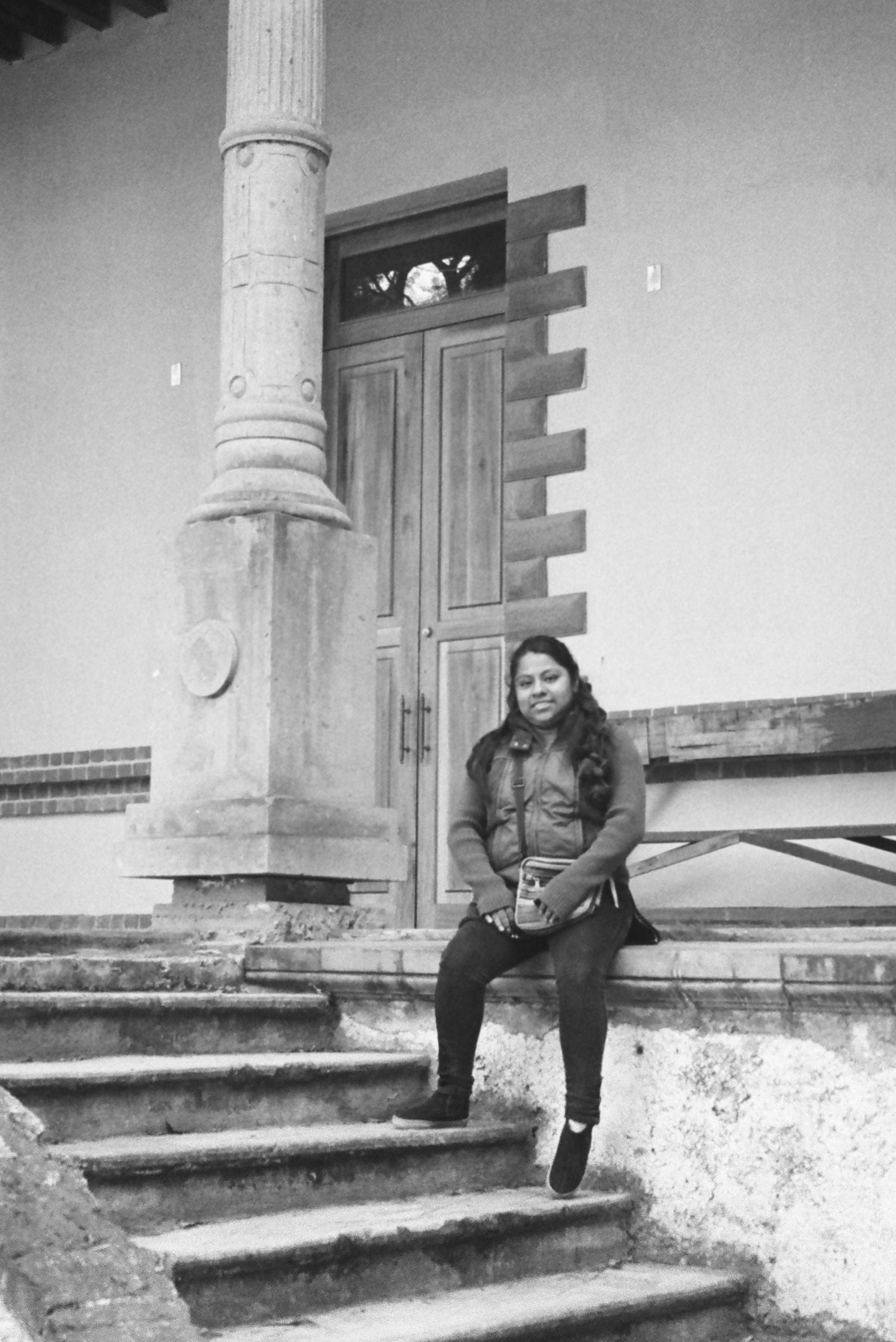 Luz Andrea Quiroz Hernándezartisan · backstrap weaver · Mixtec speaker
partners
Museo Comunitario del Valle de Xico
Arte y Cultura Xico A.C.
mOst — mon œil sur terre
credits
photographs and texts by the workshop participants — Valle de Chalco Solidaridad, 2024–2025.